

Hey there! As a supplier of space conveyors, I've seen firsthand how crucial safety is when using these nifty machines. Space conveyors are super handy in all sorts of industries, from pharmaceuticals to manufacturing. But just like any piece of equipment, they need to be used with care. So, let's dive into the safety measures you should take when using a space conveyor.
Pre - operation Checks
Before you even think about firing up the space conveyor, you gotta do some pre - operation checks. First off, take a good look at the conveyor's structure. Check for any visible signs of damage, like cracks in the frame or loose bolts. A damaged conveyor can be a real hazard, so it's better to catch these issues early.
Inspect the belts or chains. Make sure they're properly tensioned. If the belts are too loose, they might slip, causing the conveyor to malfunction. On the other hand, if they're too tight, it can put extra stress on the motor and other components, leading to premature wear and tear.
Also, check the electrical connections. Loose or frayed wires can cause short - circuits or even electrical shocks. Ensure that all the switches and controls are in good working condition. You don't want to be in the middle of an operation and have a control fail on you.
Operator Training
This is a big one. You can't just let anyone hop on and start operating a space conveyor. Proper operator training is essential. Operators should be trained on how to start and stop the conveyor safely. They need to know the correct speed settings for different types of loads.
Training should also cover how to load and unload items onto the conveyor. Items should be placed evenly on the conveyor to prevent it from becoming unbalanced. Uneven loading can cause the conveyor to tip over or jam, which can be dangerous for both the operator and the equipment.
Operators should be taught about emergency stop procedures. In case of an emergency, they need to know exactly where the emergency stop button is and how to use it. This can prevent serious accidents from happening.
Safety Guards and Barriers
Installing safety guards and barriers is a must - have for any space conveyor. These guards protect operators from moving parts, like belts, chains, and gears. They can prevent fingers, clothing, or other objects from getting caught in the machinery.
Make sure the guards are properly installed and in good condition. Damaged guards should be replaced immediately. Also, don't remove the guards for any reason unless it's for maintenance, and even then, proper safety procedures should be followed.
Barriers can be used to keep unauthorized personnel away from the conveyor area. This is especially important in busy industrial settings where there are lots of people moving around. You don't want someone who doesn't know what they're doing to accidentally wander into the conveyor area and get hurt.
Maintenance and Lubrication
Regular maintenance is key to keeping your space conveyor running safely. This includes things like cleaning the conveyor regularly to remove dirt, dust, and debris. Buildup of these materials can cause the conveyor to operate inefficiently and can also increase the risk of fires in some cases.
Lubrication is also crucial. Moving parts need to be lubricated to reduce friction and wear. Check the lubrication levels regularly and top them up as needed. Using the right type of lubricant is important too. Using the wrong lubricant can cause damage to the components.
During maintenance, make sure the conveyor is turned off and locked out. This is called a lock - out/tag - out procedure. It prevents the conveyor from being accidentally started while someone is working on it.
Load Capacity
Don't overload the space conveyor. Every conveyor has a specified load capacity, and you need to stick to it. Overloading can cause the conveyor to break down, and it can also be a safety hazard. It can put extra stress on the motor, belts, and other components, increasing the risk of a malfunction.
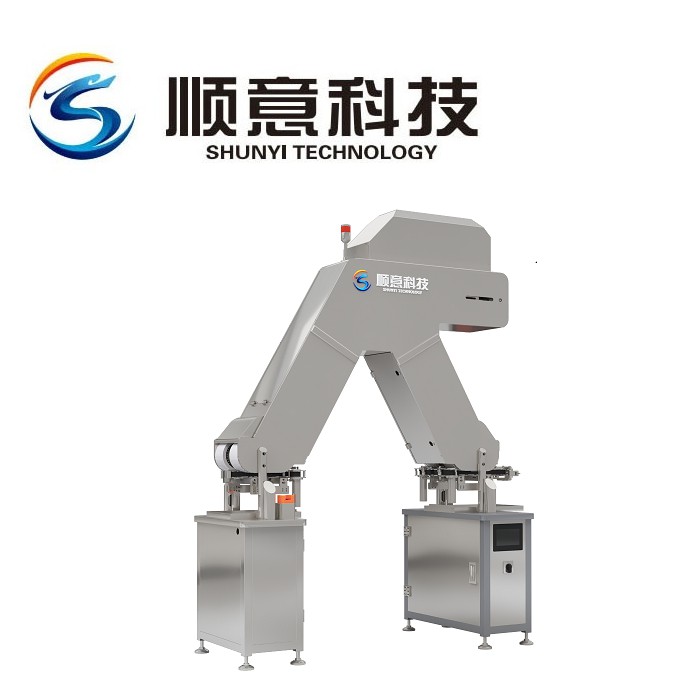
If you need to transport heavier loads, consider using a conveyor with a higher load capacity. You can check out our Pharmaceutical Clean Area Space Conveyor and Pharmaceutical Clean Area Elevator Conveyor which are designed to handle different load requirements.
Environmental Considerations
The environment where the space conveyor is located can also affect its safety. If the conveyor is in a wet or humid area, there's a risk of electrical short - circuits. Make sure the electrical components are properly protected.
In dusty environments, the conveyor can get clogged more easily. Regular cleaning becomes even more important in these situations. Also, if there are flammable materials in the area, take extra precautions to prevent fires. This might include using explosion - proof motors and other safety features.
Emergency Preparedness
In addition to knowing the emergency stop procedures, you should also have an emergency plan in place. This plan should include things like what to do in case of a fire, a conveyor breakdown, or an injury.
Have first - aid kits readily available in the conveyor area. Make sure operators know where they are and how to use them. Also, conduct regular emergency drills so that everyone knows what to do in a real - life situation.

Monitoring and Inspection
Regular monitoring and inspection of the space conveyor can help catch potential safety issues before they become major problems. Use sensors and monitoring systems to keep track of things like conveyor speed, load, and temperature.
Inspect the conveyor on a regular basis, not just during maintenance. Look for any signs of wear and tear, unusual noises, or vibrations. These can be indicators of a problem that needs to be addressed.
Contact for Purchase and Consultation
If you're in the market for a space conveyor or have any questions about safety measures, we're here to help. Our team of experts can provide you with all the information you need to make an informed decision. Whether you need a conveyor for a pharmaceutical clean area or any other industry, we've got the right solutions for you. So, don't hesitate to reach out and start the conversation about your conveyor needs.
References
- OSHA (Occupational Safety and Health Administration) guidelines on industrial conveyor safety.
- Manufacturer's manuals for space conveyors.
- Industry best practices for conveyor operation and maintenance.