

Hey there! I'm a supplier of Ampoule Bottle Conveyors, and today I wanna chat about a question that often pops up: What is the service life of an ampoule bottle conveyor?
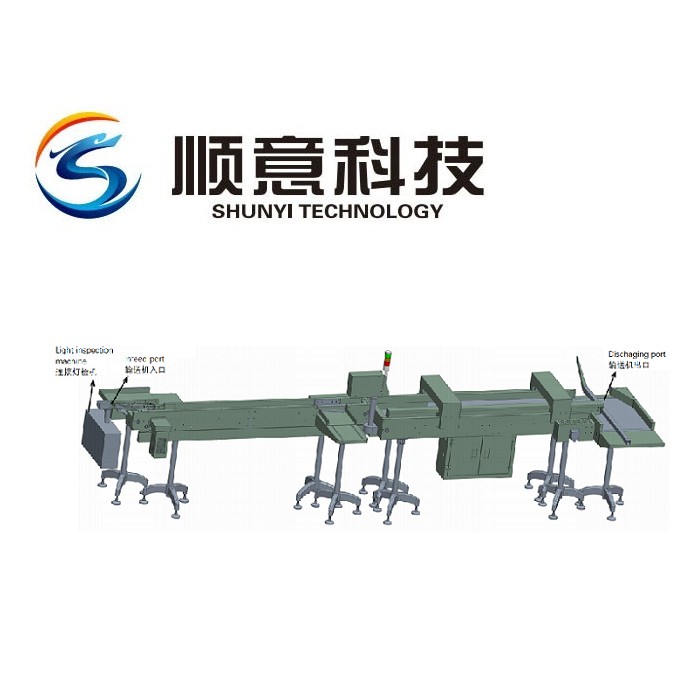
Let's first understand what an ampoule bottle conveyor does. It's a crucial piece of equipment in the pharmaceutical industry. These conveyors are designed to move ampoule bottles smoothly and efficiently through different stages of the production process, like filling, sealing, and labeling. They ensure that the delicate ampoules are handled with care, minimizing the risk of breakage and contamination.
Now, when it comes to the service life of an ampoule bottle conveyor, there isn't a one - size - fits - all answer. It depends on a bunch of factors, and I'll break them down for you.
Factors Affecting the Service Life
1. Quality of Construction
The quality of materials used and the craftsmanship in building the conveyor play a huge role. A conveyor made with high - grade stainless steel frames and top - notch mechanical components is likely to last longer. High - quality materials are more resistant to corrosion, wear, and tear. For example, if the conveyor is made with low - quality bearings, they'll start to wear out quickly, leading to increased friction and eventually, a breakdown. On the other hand, premium bearings can withstand heavy loads and continuous operation for a much longer time.
2. Usage Frequency
How often the conveyor is used is a major factor. If it's running 24/7 in a large - scale pharmaceutical production facility, it'll experience more stress compared to one that's used only a few hours a day in a smaller lab. Continuous operation means more wear on the moving parts, such as belts, chains, and gears. So, a conveyor in a high - volume production environment might need more frequent maintenance and could have a shorter overall service life.
3. Maintenance and Care
Proper maintenance is key to extending the service life of an ampoule bottle conveyor. Regular cleaning to remove debris and contaminants is essential. Lubricating the moving parts at the right intervals can prevent excessive friction and heat build - up. Also, checking for loose bolts, misaligned belts, and other minor issues on a regular basis can help catch problems before they turn into major breakdowns. If a conveyor isn't maintained well, small problems can snowball, leading to a shorter lifespan.

4. Operating Environment
The environment in which the conveyor operates matters a lot. If it's in a humid or corrosive environment, like a pharmaceutical manufacturing plant where there are often chemicals in the air, the metal parts of the conveyor can corrode more quickly. Temperature also plays a role. Extreme heat or cold can affect the performance of the conveyor's components. For instance, rubber belts can become brittle in cold temperatures and stretch or melt in high - temperature environments.
Average Service Life Estimates
Based on my experience as a supplier, a well - built and well - maintained ampoule bottle conveyor can last anywhere from 10 to 20 years. In a moderate - use scenario, with proper maintenance, it could easily reach the upper end of that range. However, in a high - stress, high - usage environment, the service life might be closer to 10 years.
Let's say you have a conveyor that's used moderately, about 8 - 10 hours a day. If it's made with good quality materials and you follow a regular maintenance schedule, it can serve you well for 15 - 20 years. But if you're running it non - stop in a harsh environment without proper upkeep, you might start seeing major issues within 8 - 10 years.
Extending the Service Life
Here are some tips to help you get the most out of your ampoule bottle conveyor:
- Invest in Quality: When you're buying a conveyor, don't skimp on quality. A higher - quality conveyor might cost more upfront, but it'll save you money in the long run by lasting longer and requiring less frequent repairs. You can check out our Ampoule Bottle Conveyor and Pharmaceutical Ampoule Conveyor options, which are built with top - notch materials.
- Follow a Maintenance Schedule: Set up a regular maintenance schedule and stick to it. This includes cleaning, lubricating, and inspecting the conveyor. Keep records of all maintenance activities so you can track the conveyor's performance over time.
- Train Your Staff: Make sure your staff knows how to operate the conveyor correctly. Improper operation can cause unnecessary stress on the conveyor's components. Provide training on things like loading the ampoules correctly, starting and stopping the conveyor properly, and what to do in case of an emergency.
- Use Buffer Conveyors: Consider using Buffer Conveyor systems. These can help regulate the flow of ampoules, reducing the stress on the main conveyor. They act as a buffer between different stages of the production process, allowing for a more even distribution of the workload.
Conclusion
The service life of an ampoule bottle conveyor is influenced by several factors, including quality, usage, maintenance, and the operating environment. By understanding these factors and taking steps to extend the conveyor's life, you can get the most out of your investment.
If you're in the market for a new ampoule bottle conveyor or need advice on maintaining your existing one, don't hesitate to reach out. We're here to help you find the best solution for your pharmaceutical production needs. Whether you're looking for a long - lasting, high - performance conveyor or need guidance on how to keep your current one running smoothly, we've got you covered. Contact us to start a conversation about your requirements and see how we can assist you in your pharmaceutical production journey.
References
- Personal experience as an Ampoule Bottle Conveyor supplier.
- Industry knowledge and best practices in pharmaceutical conveyor manufacturing and maintenance.