

The printing area of a BFS (Blow-Fill-Seal) plastic printing machine is a critical aspect that directly impacts the efficiency, quality, and flexibility of the printing process. As a leading supplier of BFS plastic printing machines, we understand the importance of this feature and strive to provide our customers with machines that offer optimal printing areas to meet their diverse needs.
Understanding the Basics of BFS Plastic Printing Machines
Before delving into the printing area, it's essential to have a basic understanding of BFS plastic printing machines. These machines are used in the pharmaceutical, cosmetic, and food industries to print labels, logos, and other information directly onto plastic containers during the blow-fill-seal process. The BFS process involves three main steps: blowing a plastic preform into a container, filling the container with the product, and sealing it, all in a continuous and aseptic manner.
BFS plastic printing machines use various printing technologies, such as inkjet, laser, and thermal transfer, to apply the desired printing onto the plastic containers. The choice of printing technology depends on factors such as the type of plastic, the required print quality, and the production speed.
Factors Affecting the Printing Area
The printing area of a BFS plastic printing machine is determined by several factors, including the size and shape of the plastic container, the printing technology used, and the machine's design and specifications.
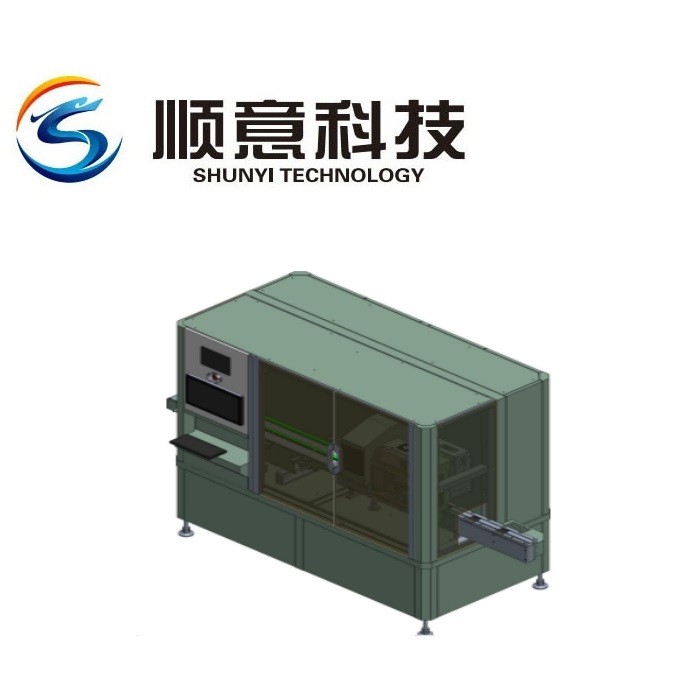
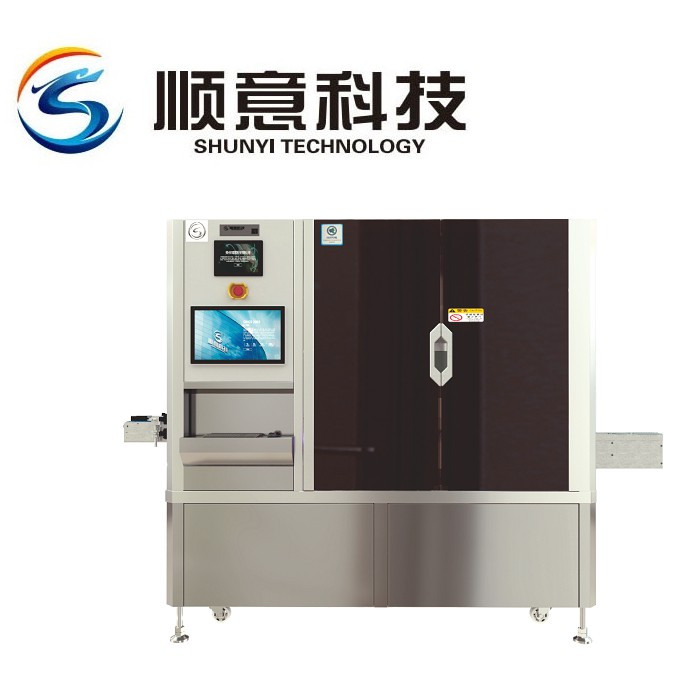
Container Size and Shape
The size and shape of the plastic container are the primary factors that influence the printing area. Larger containers generally have a larger available printing area, allowing for more extensive printing, such as detailed labels or multi-line text. On the other hand, smaller containers may have limited printing space, requiring more precise and compact printing designs.
The shape of the container also plays a role in determining the printing area. Containers with irregular shapes or curved surfaces may present challenges in achieving uniform and accurate printing. In such cases, the printing area may be limited to specific flat or gently curved sections of the container.
Printing Technology
The printing technology used in the BFS plastic printing machine also affects the printing area. Different printing technologies have different capabilities in terms of print resolution, print speed, and the ability to print on various surfaces.
- Inkjet Printing: Inkjet printing is a popular choice for BFS plastic printing machines due to its high-speed printing capabilities and the ability to print on a wide range of plastic materials. Inkjet printers can print variable data, such as barcodes and expiration dates, with high precision. The printing area of an inkjet printer is typically limited by the size of the print head and the maximum print width that the printer can achieve.
- Laser Printing: Laser printing offers high-quality, permanent printing with excellent resolution. Laser printers are suitable for printing on hard plastics and can produce sharp, clear images and text. However, laser printing is generally slower than inkjet printing, and the printing area may be limited by the size of the laser beam and the scanning range of the printer.
- Thermal Transfer Printing: Thermal transfer printing uses a heated print head to transfer ink from a ribbon onto the plastic container. This printing technology is known for its durability and resistance to abrasion. The printing area of a thermal transfer printer is determined by the size of the print head and the length of the ribbon.
Machine Design and Specifications
The design and specifications of the BFS plastic printing machine also play a crucial role in determining the printing area. Some machines are designed to accommodate a specific range of container sizes, while others offer more flexibility in terms of container size and shape.
- Printing Station Configuration: The number and arrangement of printing stations in the machine can affect the printing area. Machines with multiple printing stations can print on different sides or sections of the container simultaneously, increasing the overall printing area.
- Adjustable Printing Parameters: Some BFS plastic printing machines offer adjustable printing parameters, such as print height, print width, and print position. These adjustable parameters allow for customization of the printing area to meet the specific requirements of the customer.
Typical Printing Areas of BFS Plastic Printing Machines
The printing area of BFS plastic printing machines can vary significantly depending on the machine's model, design, and intended application. Here are some typical printing areas for different types of BFS plastic printing machines:
BFS Eye Drop Bottle Printing Machine
Eye drop bottles are typically small in size, with a diameter ranging from 10 to 30 mm and a height of 30 to 100 mm. The printing area of a BFS eye drop bottle printing machine is usually limited to a narrow band around the circumference of the bottle, typically 10 to 30 mm in height. This printing area is sufficient for printing essential information such as the product name, dosage instructions, and batch number.
Plastic Injection Bottle Printing Machine
Plastic injection bottles come in a wide range of sizes and shapes, from small vials to large containers. The printing area of a plastic injection bottle printing machine can vary depending on the size of the bottle. For small bottles, the printing area may be similar to that of an eye drop bottle, while for larger bottles, the printing area can be more extensive, covering a significant portion of the bottle's surface.
BFS Bottle Pharmaceutical Printing Machine
BFS bottle pharmaceutical printing machines are designed to print on various types of pharmaceutical bottles, including oral liquid bottles, syrup bottles, and ampoules. The printing area of these machines can vary depending on the size and shape of the bottle. In general, the printing area can range from a small label area on the bottle's body to a full-wrap printing that covers the entire circumference of the bottle.
Importance of the Printing Area
The printing area of a BFS plastic printing machine is of utmost importance for several reasons:
Product Identification and Branding
The printing on plastic containers serves as a crucial means of product identification and branding. A larger printing area allows for more detailed and eye-catching branding, including the company logo, product name, and marketing messages. This helps to differentiate the product from competitors and enhances brand recognition.
Regulatory Compliance
In the pharmaceutical and food industries, plastic containers must be printed with essential information such as product ingredients, dosage instructions, expiration dates, and batch numbers. A sufficient printing area ensures that all the required information can be printed clearly and legibly, meeting regulatory requirements.
Product Traceability
Printing variable data, such as barcodes and serial numbers, on plastic containers is essential for product traceability. A larger printing area allows for the inclusion of more detailed traceability information, which helps in tracking the product throughout the supply chain and ensuring product safety.
Choosing the Right BFS Plastic Printing Machine Based on the Printing Area
When choosing a BFS plastic printing machine, it's essential to consider the printing area requirements based on your specific application. Here are some tips to help you make the right choice:
- Determine Your Printing Needs: Start by identifying the types of plastic containers you will be printing on and the information that needs to be printed. Consider factors such as the container size, shape, and the required print quality.
- Evaluate the Printing Technology: Different printing technologies offer different printing capabilities and limitations. Choose a printing technology that is suitable for your plastic material and printing requirements.
- Consider the Machine's Flexibility: Look for a BFS plastic printing machine that offers flexibility in terms of container size and shape. A machine with adjustable printing parameters can allow you to customize the printing area to meet your specific needs.
- Seek Expert Advice: As a supplier of BFS plastic printing machines, we have extensive experience in helping customers choose the right machine for their applications. Our technical experts can provide you with valuable advice and guidance based on your specific requirements.
Conclusion
The printing area of a BFS plastic printing machine is a critical factor that affects the efficiency, quality, and flexibility of the printing process. By understanding the factors that influence the printing area and choosing the right machine based on your specific needs, you can ensure that your plastic containers are printed with high-quality, accurate, and legible information.
If you are interested in learning more about our BFS plastic printing machines or have any questions regarding the printing area, please feel free to contact us. Our team of experts is ready to assist you in finding the perfect solution for your printing needs.
References
- Packaging Machinery Manufacturers Institute (PMMI). (2023). BFS Technology: An Overview.
- Association for Packaging and Processing Technologies (APPT). (2023). Printing Technologies for Plastic Packaging.
- Pharmaceutical Research and Manufacturers of America (PhRMA). (2023). Regulatory Requirements for Printing on Pharmaceutical Containers.