

In the realm of space - based operations, the concept of a space conveyor has emerged as a revolutionary technology. As a leading space conveyor supplier, I am often asked about the precision of these remarkable systems when it comes to transporting objects. In this blog, I will delve into the intricacies of space conveyor precision, exploring the factors that influence it and the importance of high - precision transportation in space.
Understanding Space Conveyors
Before we discuss precision, let's briefly understand what a space conveyor is. A space conveyor is a mechanical system designed to move objects within a space environment, such as in a space station, a lunar base, or during inter - planetary transportation. These conveyors can range from simple belt - driven systems to more complex robotic arms and magnetic levitation conveyors.
The applications of space conveyors are vast. They can be used to transport supplies and equipment between different modules of a space station, move samples from a lunar rover to a research laboratory on the moon, or even transfer materials between spacecraft during a docking operation. Given the high - stakes nature of space missions, the precision of these conveyors is of utmost importance.
Factors Affecting the Precision of Space Conveyors
1. Environmental Conditions
The space environment is vastly different from Earth. There is no atmosphere, which means there is no air resistance to slow down or affect the movement of objects on the conveyor. However, the lack of atmosphere also means that temperature variations can be extreme. These temperature changes can cause materials to expand or contract, which can affect the alignment and operation of the conveyor components.
For example, if a conveyor belt is made of a material that expands significantly in the heat of direct sunlight and contracts in the cold of shadow, it can lead to misalignment and inaccurate transportation of objects. To counter this, we use advanced materials with low coefficients of thermal expansion in our space conveyors. These materials are carefully selected to maintain their shape and dimensions under a wide range of temperature conditions, ensuring the precision of the conveyor.
2. Microgravity
Microgravity is another unique aspect of the space environment. In microgravity, objects float freely, and the normal rules of friction and gravity - based movement do not apply. This can make it challenging to control the movement of objects on a conveyor.
To overcome this, our space conveyors are equipped with specialized mechanisms to grip and guide objects. For instance, we use magnetic or electrostatic grippers to hold objects firmly in place on the conveyor. These grippers can be adjusted to provide the right amount of force to keep the object stable without damaging it. Additionally, our conveyors are designed with precise control systems that can account for the lack of gravity and ensure that objects are moved at the correct speed and direction.
3. Mechanical Design and Construction
The mechanical design of a space conveyor plays a crucial role in its precision. Every component of the conveyor, from the motors and gears to the belts and rollers, must be designed and constructed with the highest level of accuracy.
We use advanced manufacturing techniques, such as computer - numerical - control (CNC) machining, to produce conveyor components with extremely tight tolerances. This ensures that all parts fit together perfectly, reducing the risk of misalignment and mechanical failures. Our engineers also conduct extensive testing and simulation of the conveyor design before it is deployed in space. This allows us to identify and correct any potential issues that could affect the precision of the conveyor.
4. Control Systems
The control systems of a space conveyor are responsible for regulating the speed, direction, and position of the objects being transported. These systems must be highly accurate and reliable.
We use state - of - the - art sensors and actuators in our control systems. The sensors can detect the position and movement of objects on the conveyor with great precision. For example, laser sensors can be used to measure the distance between objects and the conveyor components, allowing the control system to make real - time adjustments to ensure accurate transportation.
The actuators, such as motors and servos, are also carefully calibrated to provide smooth and precise movement. Our control systems are programmed with advanced algorithms that can adapt to changing conditions in the space environment, ensuring that the conveyor maintains its precision at all times.
Importance of Precision in Space Conveyor Transportation
1. Safety
Precision is crucial for the safety of space missions. In a space station, for example, if a conveyor misplaces a piece of equipment or supplies, it could lead to a dangerous situation. A misplaced battery could cause a short - circuit, or a misaligned tool could damage sensitive equipment.
By ensuring high - precision transportation, our space conveyors help to prevent these types of accidents. The accurate placement of objects on the conveyor and their precise delivery to the intended location reduce the risk of equipment damage and human error, making space operations safer.
2. Efficiency
Precision also improves the efficiency of space operations. When objects are transported accurately and quickly, it reduces the time and resources required for each mission. For instance, in a lunar base, if a conveyor can precisely deliver construction materials to the building site, it speeds up the construction process.
Our space conveyors are designed to optimize the transportation of objects, minimizing the time spent on loading, unloading, and moving objects. This increased efficiency translates into cost savings and more successful space missions.
3. Scientific Research
In space, scientific research often relies on the precise transportation of samples. For example, if a sample of lunar soil needs to be transported from a collection site to a laboratory for analysis, any inaccuracy in the transportation could contaminate the sample or damage it.
Our space conveyors are designed to handle delicate scientific samples with the utmost precision. We use clean - room - grade materials and contamination - control measures to ensure that the samples are transported without any risk of damage or contamination. This allows scientists to obtain accurate data from their research, advancing our understanding of the universe.
Our Solutions for High - Precision Space Conveyors
As a space conveyor supplier, we are committed to providing the highest level of precision in our products. We have developed a range of space conveyors that are specifically designed to meet the unique challenges of the space environment.
One of our flagship products is the Pharmaceutical Clean Area Space Conveyor. This conveyor is designed for use in pharmaceutical clean areas in space, where precision and cleanliness are of the utmost importance. It is equipped with advanced filtration systems to prevent contamination and highly accurate control systems to ensure the precise transportation of pharmaceutical products.

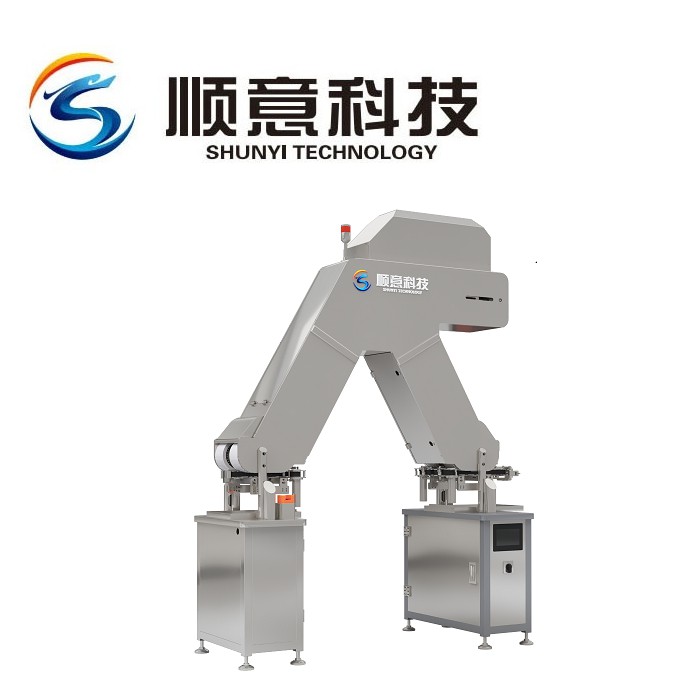
Another product is the Pharmaceutical Clean Area Elevator Conveyor. This elevator - style conveyor is ideal for transporting objects between different levels in a space station or lunar base. It uses advanced hoisting mechanisms and precise positioning systems to ensure that objects are transported safely and accurately.
Conclusion
The precision of a space conveyor is a complex and multi - faceted concept. It is influenced by a variety of factors, including the unique space environment, mechanical design, and control systems. At our company, we understand the importance of precision in space operations, and we have dedicated ourselves to developing space conveyors that can meet the highest standards of accuracy.
If you are involved in a space mission or project that requires the transportation of objects, we invite you to contact us for a detailed discussion. Our team of experts is ready to help you find the perfect space conveyor solution for your specific needs. Whether it's a small - scale experiment on a space station or a large - scale inter - planetary transportation project, we have the technology and expertise to ensure the precision of your object transportation.
References
- "Spacecraft Design and Engineering" by James R. Wertz and Wiley Larson
- "Microgravity Science and Technology" by various authors, published by Springer
- "Materials for Space Applications" by J. S. Schofield and R. E. Smith