

Hey there! As a supplier of Pharmaceutical Ampoule Conveyor, I often get asked about the belt material used in these conveyors. So, I thought I'd write this blog to share some insights on this topic.
First off, let's talk about why the belt material matters. In the pharmaceutical industry, everything has to meet super high - standards. The belt of a pharmaceutical ampoule conveyor is in direct contact with the ampoules, which contain all sorts of medications. So, the belt material needs to be clean, non - reactive, and durable enough to handle continuous operation.
One of the most commonly used materials for pharmaceutical ampoule conveyor belts is PVC (Polyvinyl Chloride). PVC belts are quite popular because they're relatively inexpensive. They're also easy to clean, which is a huge plus in a pharmaceutical setting. You can wipe them down, and they'll get rid of most of the dirt and contaminants. Plus, PVC belts can be made in different thicknesses and widths to fit various conveyor designs.
Another great thing about PVC is that it's resistant to many chemicals. In a pharmaceutical plant, there are often different types of cleaning agents and solvents around. A PVC belt can withstand exposure to these substances without getting damaged. However, it's important to note that not all PVC is created equal. There are food - grade and medical - grade PVCs available. For a pharmaceutical ampoule conveyor, you definitely want to go for the medical - grade one, as it meets the strict safety and quality requirements of the industry.
Then there's PU (Polyurethane). PU belts are known for their high - end performance. They're extremely flexible, which allows them to move smoothly around the conveyor rollers and pulleys. This flexibility also means that they can adapt well to different conveyor layouts, whether it's a straight - line conveyor or one with curves.
PU belts are also very resistant to abrasion. Since the ampoules are constantly moving on the belt, there's bound to be some friction. A PU belt can handle this friction without wearing out quickly. This durability translates into less downtime for maintenance and replacement, which is a big advantage for pharmaceutical manufacturers. And just like PVC, there are medical - grade PU belts available, which are safe for use in contact with pharmaceutical products.
Silicone is another material that's used in some pharmaceutical ampoule conveyors. Silicone belts are great because they have a high heat resistance. In some pharmaceutical processes, there might be a need to heat the ampoules or the conveyor area. A silicone belt can handle these high temperatures without deforming or releasing any harmful substances.
Silicone is also very hygienic. It has a smooth surface that doesn't allow bacteria or other contaminants to stick easily. This makes it ideal for use in a cleanroom environment, where maintaining a sterile atmosphere is crucial. However, silicone belts can be a bit more expensive compared to PVC and PU belts. So, manufacturers need to weigh the benefits against the cost when deciding whether to use a silicone belt.
Now, let's talk about some of the factors you should consider when choosing the belt material for your pharmaceutical ampoule conveyor.
The first factor is the type of pharmaceutical products you're handling. If you're dealing with sensitive medications that can react with certain materials, you need to choose a belt material that's non - reactive. For example, some medications might be affected by the chemicals in a PVC belt. In such cases, a PU or silicone belt might be a better choice.
The second factor is the conveyor's operating environment. If the conveyor is in a high - temperature area, then a heat - resistant material like silicone would be ideal. On the other hand, if the conveyor is in a wet or humid environment, you need a belt material that can resist moisture and corrosion.
The third factor is the conveyor's speed and load capacity. If the conveyor is running at a high speed and carrying a heavy load of ampoules, you need a belt material that can handle the stress. A strong and durable material like PU would be a good option in this case.
As a supplier, I've seen different pharmaceutical companies making different choices based on their specific needs. Some smaller companies might opt for PVC belts because of the cost - effectiveness. They can still get a reliable conveyor system without breaking the bank. Larger companies, on the other hand, might invest in PU or silicone belts for their high - end performance and long - term durability.
In addition to these main conveyor belts, we also offer Buffer Conveyor and Ampoule Bottle Conveyor solutions. These conveyors also have specific requirements for belt materials, and we can help you choose the right one based on your production line setup.

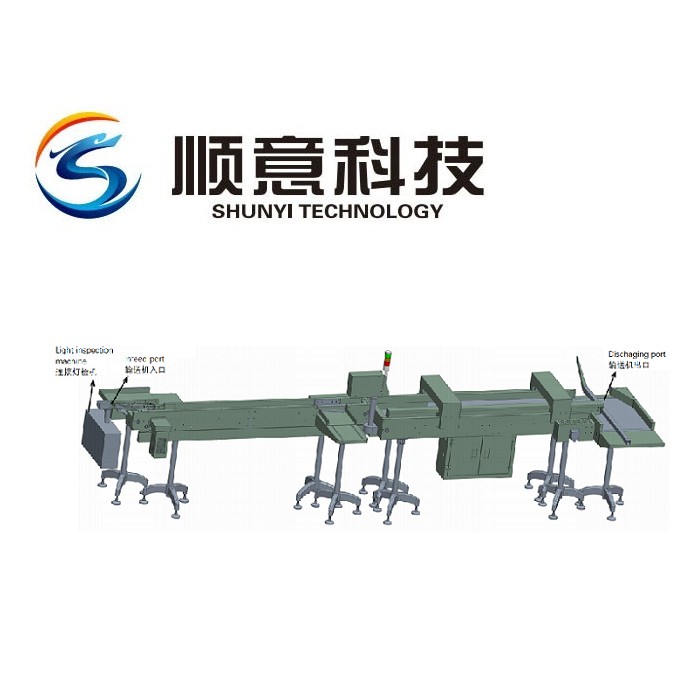
If you're in the market for a pharmaceutical ampoule conveyor or need to replace the belt on your existing conveyor, I'd love to have a chat with you. We can discuss your specific needs, the type of pharmaceutical products you're working with, and the operating environment of your conveyor. Based on that, we can recommend the best belt material and conveyor solution for you.
So, don't hesitate to reach out if you have any questions or if you're ready to start a new project. We're here to help you get the most efficient and reliable pharmaceutical ampoule conveyor system for your business.
References:
- General knowledge of pharmaceutical conveyor systems and belt materials in the industry.
- Technical specifications and data sheets provided by belt material manufacturers.