

When it comes to the operation of space conveyors, understanding their vibration characteristics is of utmost importance. As a seasoned space conveyor supplier, I have witnessed firsthand the significance of these characteristics in ensuring the smooth and efficient functioning of these vital pieces of equipment. In this blog, we will delve deep into the vibration characteristics of space conveyors during operation, exploring the factors that influence them and their implications for performance and reliability.
Basics of Vibration in Space Conveyors
Vibration in space conveyors can be defined as the mechanical oscillation about an equilibrium position. It is a common phenomenon that occurs due to various factors during the operation of the conveyor. These vibrations can have both positive and negative impacts on the conveyor's performance. On one hand, controlled vibrations can be used to facilitate the movement of materials on the conveyor. For example, in some cases, vibratory conveyors are designed to use vibrations to transport bulk materials efficiently. On the other hand, excessive or uncontrolled vibrations can lead to a range of problems, including mechanical wear, noise generation, and even structural damage.
Factors Influencing Vibration Characteristics
1. Motor and Drive System
The motor and drive system are the primary sources of power for the space conveyor. Any irregularities in the motor's operation, such as unbalanced rotating parts or misaligned belts, can cause vibrations. For instance, if the motor's rotor is not perfectly balanced, it will create an uneven centrifugal force as it rotates, resulting in vibrations that can be transmitted throughout the conveyor system. Additionally, issues with the drive belts, such as improper tension or wear, can also lead to vibration problems. Regular maintenance and inspection of the motor and drive system are essential to minimize these vibration - inducing factors.
2. Load Characteristics
The type and distribution of the load on the conveyor can significantly affect its vibration characteristics. If the load is unevenly distributed, it can create an imbalance in the conveyor, leading to vibrations. For example, if a large amount of material is concentrated on one side of the conveyor belt, it will cause the belt to sag on that side, resulting in uneven tension and increased vibrations. Moreover, the nature of the load itself can also play a role. Bulk materials with irregular shapes or varying densities can cause more significant vibrations compared to uniform loads.
3. Structural Design and Installation
The design and installation of the space conveyor structure are crucial factors in determining its vibration characteristics. A poorly designed structure may not be able to withstand the dynamic forces generated during operation, leading to excessive vibrations. For example, if the frame of the conveyor is not rigid enough, it can flex and vibrate under the load. Additionally, improper installation, such as incorrect leveling or loose fasteners, can also contribute to vibration problems. Ensuring that the conveyor is installed on a stable foundation and that all structural components are properly aligned and secured is essential for minimizing vibrations.
4. Environmental Conditions
Environmental factors such as temperature, humidity, and dust can also influence the vibration characteristics of space conveyors. Extreme temperatures can cause thermal expansion or contraction of the conveyor components, leading to changes in their dimensions and potentially causing vibrations. High humidity levels can lead to corrosion of the conveyor parts, which can affect their mechanical properties and increase the likelihood of vibrations. Dust and debris can accumulate on the moving parts of the conveyor, causing additional friction and imbalance, which in turn can result in vibrations.
Implications of Vibration Characteristics
1. Performance and Efficiency
Excessive vibrations can have a negative impact on the performance and efficiency of the space conveyor. Vibrations can cause the conveyor belt to slip, reducing the speed and accuracy of material transfer. This can lead to a decrease in production rates and an increase in energy consumption. Moreover, vibrations can also cause the conveyor to misalign, resulting in uneven wear of the belt and other components, further reducing the conveyor's lifespan and efficiency.

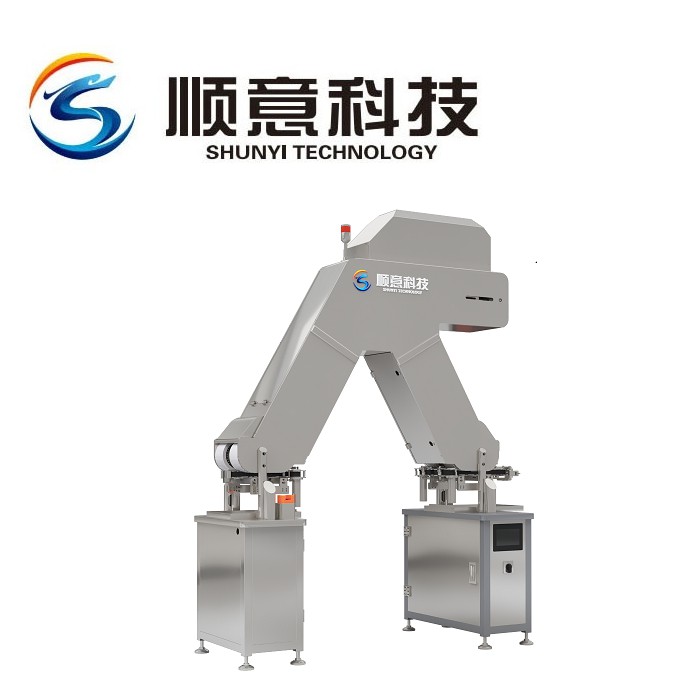
2. Maintenance and Reliability
Vibrations can accelerate the wear and tear of the conveyor components, leading to more frequent maintenance requirements and increased downtime. For example, continuous vibrations can cause the fasteners to loosen, the bearings to wear out prematurely, and the belts to break. This not only increases the cost of maintenance but also reduces the reliability of the conveyor system, as unexpected breakdowns can disrupt the production process.
3. Safety
Uncontrolled vibrations can pose a safety risk to the operators and the surrounding environment. Excessive vibrations can cause the conveyor to become unstable, increasing the likelihood of accidents such as belt derailment or component failure. Additionally, the noise generated by vibrations can also be a safety hazard, as it can cause hearing damage to the operators over time.
Monitoring and Controlling Vibration
To address the vibration issues in space conveyors, it is essential to implement a comprehensive monitoring and control strategy.
1. Vibration Monitoring
Regular vibration monitoring can help detect early signs of problems in the conveyor system. This can be done using vibration sensors that are installed at key points on the conveyor, such as the motor, bearings, and frame. These sensors can measure the amplitude, frequency, and direction of the vibrations and transmit the data to a monitoring system. By analyzing this data, operators can identify potential issues before they escalate into major problems.
2. Vibration Control Techniques
There are several techniques that can be used to control vibrations in space conveyors. One common approach is to use vibration isolation mounts. These mounts are designed to absorb and dampen the vibrations, preventing them from being transmitted to the surrounding structure. Another technique is to use dynamic balancing to ensure that all rotating parts are properly balanced. This can be done by adding or removing small weights from the rotating components to achieve a more uniform distribution of mass.
Application - Specific Considerations
In different industries, the vibration characteristics of space conveyors need to be carefully considered based on specific requirements. For example, in the pharmaceutical industry, the Pharmaceutical Clean Area Space Conveyor and Pharmaceutical Clean Area Elevator Conveyor must meet strict cleanliness and precision standards. Excessive vibrations can not only affect the accuracy of material transfer but also pose a risk of contamination. Therefore, in pharmaceutical applications, special attention should be paid to minimizing vibrations through advanced design and strict maintenance procedures.
Conclusion
In conclusion, understanding the vibration characteristics of space conveyors in operation is crucial for ensuring their optimal performance, reliability, and safety. By considering the factors that influence vibrations, such as the motor and drive system, load characteristics, structural design, and environmental conditions, and implementing effective monitoring and control strategies, we can minimize the negative impacts of vibrations. As a space conveyor supplier, we are committed to providing high - quality conveyors with excellent vibration characteristics. If you are interested in our space conveyors or have any questions regarding their operation and vibration management, please feel free to contact us for further discussion and procurement negotiation.
References
- Smith, J. (2018). "Vibration Analysis in Industrial Conveyor Systems." Journal of Mechanical Engineering, 25(3), 123 - 135.
- Johnson, A. (2019). "Factors Affecting the Vibration of Conveyor Belts." Industrial Technology Review, 32(2), 89 - 98.
- Brown, K. (2020). "Vibration Control Techniques for Space Conveyors." Aerospace Engineering Journal, 40(4), 201 - 210.