

As a supplier of Pharmaceutical Ampoule Conveyor, I've seen firsthand how important it is to keep the noise down in a pharmaceutical production environment. Not only is excessive noise a nuisance for workers, but it can also lead to long - term health issues like hearing loss. So, let's dive into some noise - reduction measures for a pharmaceutical ampoule conveyor.
1. Equipment Design and Selection
When it comes to reducing noise, starting with the right design and selection of the conveyor is crucial. Opt for conveyors with low - noise components. For example, use motors that are designed to operate quietly. Some modern motors are built with advanced insulation and vibration - dampening features that can significantly cut down on the noise they generate.
Also, consider the type of conveyor belt. Smooth - surfaced belts tend to produce less noise compared to those with rough or uneven surfaces. Additionally, the material of the belt matters. Rubber or polyurethane belts are often quieter than metal belts because they absorb more vibration.
Another aspect of equipment selection is the use of precision - engineered parts. Well - made gears, pulleys, and bearings will operate more smoothly and quietly. When these components are of high quality, there's less friction and rattling, which are common sources of noise in conveyors.
2. Vibration Isolation
Vibrations are a major contributor to conveyor noise. To tackle this, we can use vibration isolation techniques. One of the simplest ways is to install vibration - isolating mounts under the conveyor. These mounts are made of materials like rubber or neoprene that can absorb and dampen vibrations before they're transferred to the floor or surrounding structures.
If possible, separate the conveyor from other equipment. Mounting the conveyor on a dedicated platform or frame that's isolated from the rest of the production machinery can prevent vibrations from being transmitted between different parts of the system. This isolation helps in reducing the overall noise level in the production area.
3. Lubrication
Proper lubrication is often overlooked but is extremely important for noise reduction. Friction between moving parts can create a lot of noise. By regularly lubricating the conveyor's gears, chains, and bearings, we can minimize this friction.
When choosing a lubricant, make sure it's suitable for the specific application in a pharmaceutical environment. Some lubricants are formulated to be clean and non - contaminating, which is essential in a pharmaceutical setting where product purity is a top priority.
4. Enclosures and Shields
Installing enclosures around the conveyor can be a highly effective noise - reduction measure. These enclosures can be made of sound - absorbing materials like acoustic foam or fiberglass. The enclosure acts as a barrier, preventing the noise from escaping into the surrounding area.
However, when designing the enclosure, we need to ensure that it doesn't interfere with the normal operation of the conveyor. There should be proper access points for maintenance and inspection. Also, ventilation is important to prevent the build - up of heat inside the enclosure, which could affect the performance of the conveyor.
In addition to full enclosures, we can also use shields. For example, placing shields around noisy components like the motor or the drive mechanism can reduce the direct spread of noise.
5. Maintenance and Inspection
Regular maintenance and inspection are key to keeping the conveyor running quietly. Over time, parts can wear out, which can lead to increased noise. By checking the conveyor regularly, we can identify and replace worn - out parts before they become a major problem.
Inspect the conveyor belt for any signs of damage, such as tears or fraying. A damaged belt can cause uneven movement and generate more noise. Also, check the tension of the belt. An overly tight or loose belt can lead to noise and other operational issues.
For the mechanical components like gears and bearings, look for signs of wear, such as excessive play or rough surfaces. Replace these parts as soon as possible to maintain the quiet operation of the conveyor.
6. Buffer Conveyor Integration
Integrating a Buffer Conveyor can also help in noise reduction. A buffer conveyor can smooth out the flow of ampoules, reducing the impact and jostling that often occurs when the ampoules are transferred between different sections of the conveyor system.
By reducing these sudden impacts, the noise generated during the transfer process is minimized. Moreover, buffer conveyors can be designed with noise - reducing features similar to those mentioned above, such as vibration - isolating mounts and low - noise belts.
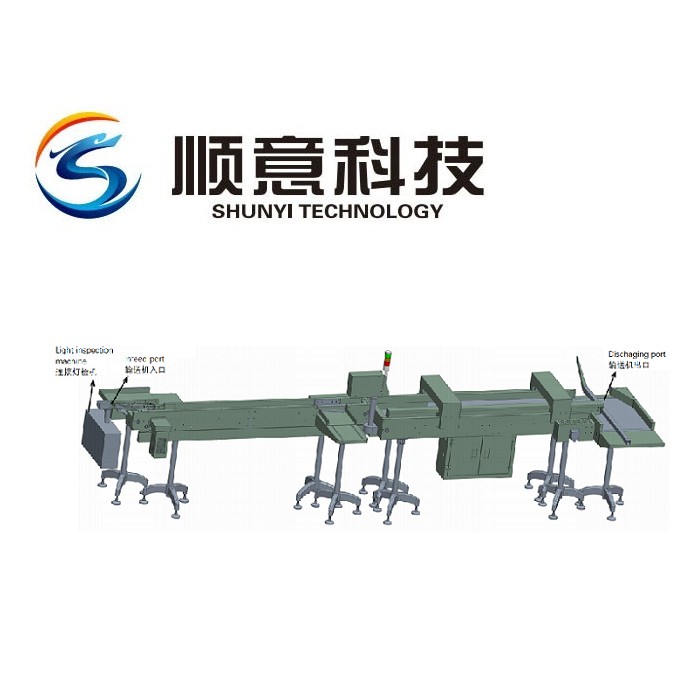

7. Ampoule Bottle Conveyor Layout
The layout of the Ampoule Bottle Conveyor can have a significant impact on noise levels. Try to keep the conveyor path as straight and smooth as possible. Sharp turns and bends can cause the ampoules to collide with each other or the sides of the conveyor, generating noise.
If turns are necessary, use gentle curves and ensure that the conveyor is designed to handle these turns smoothly. Also, avoid overcrowding the conveyor with too many ampoules. Overcrowding can lead to increased friction and collisions, resulting in more noise.
In conclusion, reducing noise in a pharmaceutical ampoule conveyor is a multi - faceted approach. It involves choosing the right equipment, implementing vibration isolation, proper lubrication, using enclosures and shields, regular maintenance, integrating buffer conveyors, and optimizing the conveyor layout.
If you're in the market for a high - quality, quiet - running pharmaceutical ampoule conveyor, we're here to help. Our team has the expertise and experience to provide you with the best solutions for your production needs. Don't hesitate to contact us to discuss your requirements and start a purchase negotiation.
References
- Engineering Handbook for Noise Control in Industrial Environments
- Pharmaceutical Conveyor System Design Guidelines