

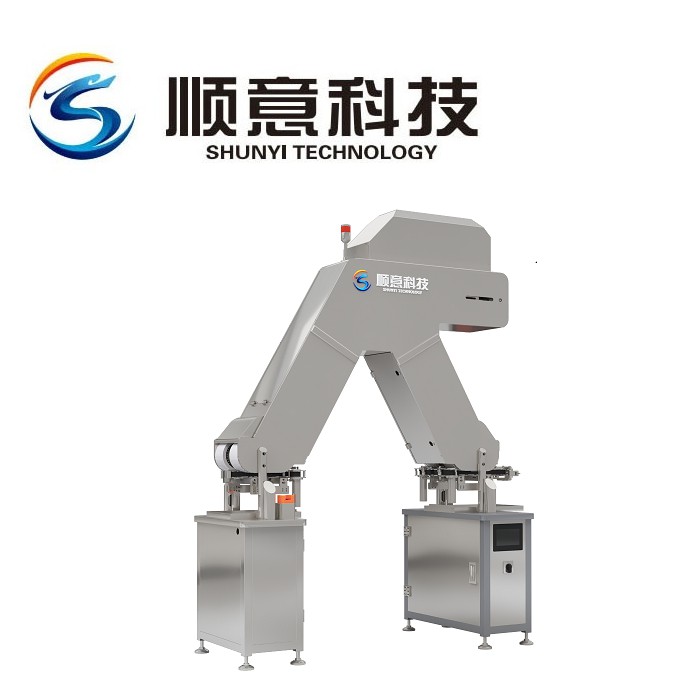
Hey there! I'm a supplier of space conveyors, and I'm super excited to share with you all about the monitoring systems of these amazing pieces of equipment. Space conveyors are crucial in various industries, especially in settings where precision and reliability are key, like the pharmaceutical industry. So, let's dive right in and explore what makes up the monitoring systems of a space conveyor.
Basic Monitoring Components
First things first, let's talk about the core components of a space conveyor's monitoring system. One of the most fundamental parts is the sensor network. These sensors are like the conveyor's "eyes" and "ears." They're spread out across the conveyor to keep tabs on different aspects of its operation.
There are speed sensors, for example. These measure how fast the conveyor belt is moving. If the speed goes too high or too low, it could indicate a problem. Maybe there's an issue with the motor or a blockage on the belt. By constantly monitoring the speed, we can catch these problems early and prevent breakdowns.
Another important type of sensor is the load sensor. These sensors measure the weight of the items on the conveyor. If the load is too heavy, it can put extra strain on the equipment, leading to premature wear and tear. On the flip side, if the load is too light, it might mean that something's not being loaded onto the conveyor properly. The load sensors help us maintain the right balance and ensure the conveyor is operating at its best.
We also have position sensors. These are used to track the position of the conveyor belt and any items on it. They're essential for accurate sorting and positioning. For instance, in a pharmaceutical clean area, precise positioning is crucial when transferring medications from one process to another. The position sensors make sure everything ends up where it's supposed to be, reducing the risk of contamination and errors.
Environmental Monitoring
Space conveyors don't operate in a vacuum. They're affected by the environment around them, especially in sensitive areas like pharmaceutical clean rooms. That's why environmental monitoring is a big part of the overall monitoring system.
Temperature and humidity sensors are installed to keep the environment within the right parameters. In a pharmaceutical clean area, for example, the temperature and humidity need to be carefully controlled to ensure the quality and stability of the medications. If the temperature gets too high or the humidity is out of range, it could affect the integrity of the products being transported on the conveyor.
There are also air quality sensors. These monitor the level of particulate matter and other contaminants in the air. In a clean area, even a small amount of dust or debris can be a big problem. The air quality sensors detect any changes in the air and trigger alarms if the levels exceed the acceptable limits. This helps maintain a clean and safe working environment for both the equipment and the products.

Condition Monitoring
To keep the space conveyor running smoothly, we also need to monitor its condition. This involves looking at things like the wear and tear of the conveyor belt, the lubrication of the moving parts, and the overall mechanical health of the system.
Vibration sensors are used to detect any abnormal vibrations in the conveyor. These vibrations could be a sign of a misaligned belt, a worn-out bearing, or some other mechanical issue. By picking up on these vibrations early, we can schedule maintenance before a major breakdown occurs.
Lubrication sensors are another important part of condition monitoring. They check the level and quality of the lubricant in the conveyor's moving parts. If the lubricant is running low or has become contaminated, it can cause increased friction and wear, leading to costly repairs. The lubrication sensors alert us when it's time to add more lubricant or change it altogether.
Data Collection and Analysis
All of these sensors generate a ton of data. But just collecting the data isn't enough. We need to analyze it to make sense of what's going on with the conveyor. That's where data collection and analysis systems come in.
These systems gather data from all the sensors and store it in a database. Then, using advanced analytics tools, we can look for patterns and trends in the data. For example, we might notice that the temperature in a certain area of the conveyor tends to spike at a particular time of day. This could indicate a problem with the cooling system or an overloaded area of the conveyor.
By analyzing the data, we can also predict when maintenance will be needed. Instead of waiting for a component to fail, we can schedule maintenance based on the actual condition of the equipment. This is called predictive maintenance, and it's a game-changer in terms of reducing downtime and saving costs.
Remote Monitoring and Control
In today's connected world, remote monitoring and control are becoming increasingly important. With the help of the internet and cloud technology, we can monitor a space conveyor from anywhere in the world.
This means that even if you're not on-site, you can still keep an eye on the conveyor's performance. You can check the sensor readings, receive alerts if there's a problem, and even make adjustments to the conveyor's settings remotely. This is especially useful for companies that have multiple locations or for those who want to ensure 24/7 monitoring of their equipment.
Applications in the Pharmaceutical Industry
As I mentioned earlier, space conveyors are widely used in the pharmaceutical industry, especially in clean areas. In a pharmaceutical clean area, the monitoring systems play a critical role in ensuring the quality and safety of the medications.
For example, the Pharmaceutical Clean Area Space Conveyor Pharmaceutical Clean Area Space Conveyor is designed to meet the strict requirements of the pharmaceutical industry. Its monitoring system keeps a close eye on things like temperature, humidity, and air quality to prevent contamination and ensure the integrity of the products.
Similarly, the Pharmaceutical Clean Area Elevator Conveyor Pharmaceutical Clean Area Elevator Conveyor is used to move medications between different levels in a clean area. Its monitoring system ensures that the products are transported safely and accurately, without any risk of damage or contamination.
Conclusion
So, there you have it! The monitoring systems of a space conveyor are complex but essential for its smooth and efficient operation. From basic sensors to advanced data analysis and remote monitoring, these systems help us keep the conveyor running at its best and prevent problems before they occur.
If you're in the market for a space conveyor or need to upgrade your existing monitoring system, I'd love to have a chat with you. Contact our team to discuss your specific requirements and find the perfect solution for your business.
References
- Industry standards and guidelines for conveyor systems
- Technical documentation from conveyor manufacturers
- Research papers on sensor technology and data analysis in industrial applications