

When it comes to the pharmaceutical industry, maintaining the highest level of cleanliness and hygiene is of utmost importance. The pharmaceutical ampoule conveyor plays a crucial role in the production process, transporting ampoules from one stage to another. To ensure the integrity of the products and comply with strict pharmaceutical regulations, selecting the right cleaning agents for the conveyor is essential. As a leading supplier of Pharmaceutical Ampoule Conveyor, I have extensive knowledge and experience in this area. In this blog, I will discuss the cleaning agents that are suitable for a pharmaceutical ampoule conveyor.
Understanding the Requirements of Pharmaceutical Ampoule Conveyors
Before delving into the specific cleaning agents, it is important to understand the unique requirements of pharmaceutical ampoule conveyors. These conveyors are used in a highly regulated environment where contamination control is critical. The cleaning agents used must be able to effectively remove various types of contaminants, including dust, debris, microorganisms, and residues from the manufacturing process. Additionally, the cleaning agents should be compatible with the materials used in the conveyor construction to avoid any damage or degradation.
Types of Cleaning Agents
1. Detergents
Detergents are one of the most commonly used cleaning agents for pharmaceutical ampoule conveyors. They are designed to break down and remove dirt, grease, and other organic contaminants. There are different types of detergents available, including alkaline, acidic, and neutral detergents.
- Alkaline Detergents: Alkaline detergents are effective in removing proteins, fats, and oils. They work by saponifying the fats and oils, making them easier to rinse away. However, alkaline detergents can be corrosive to certain metals, so it is important to choose a detergent that is specifically formulated for use on the materials of the conveyor.
- Acidic Detergents: Acidic detergents are used to remove mineral deposits, rust, and other inorganic contaminants. They work by dissolving the contaminants through a chemical reaction. Acidic detergents should be used with caution as they can also damage the conveyor if not properly diluted or rinsed.
- Neutral Detergents: Neutral detergents have a pH close to 7 and are gentle on the conveyor materials. They are suitable for general cleaning and can be used to remove light dirt and debris. Neutral detergents are often used in combination with other cleaning agents for more thorough cleaning.
2. Sanitizers
Sanitizers are used to reduce the number of microorganisms on the conveyor surface to a safe level. They are an important part of the cleaning process in the pharmaceutical industry to prevent the growth and spread of bacteria, viruses, and other pathogens. There are different types of sanitizers available, including chlorine-based, quaternary ammonium compounds (QACs), and hydrogen peroxide-based sanitizers.
- Chlorine-Based Sanitizers: Chlorine-based sanitizers are effective against a wide range of microorganisms, including bacteria, viruses, and fungi. They work by releasing chlorine ions that react with the cell walls of the microorganisms, killing them. However, chlorine-based sanitizers can be corrosive to certain metals and can leave a residual odor if not properly rinsed.
- Quaternary Ammonium Compounds (QACs): QACs are a type of cationic surfactant that are effective against bacteria, fungi, and some viruses. They work by disrupting the cell membranes of the microorganisms, causing them to die. QACs are less corrosive than chlorine-based sanitizers and have a longer residual effect.
- Hydrogen Peroxide-Based Sanitizers: Hydrogen peroxide-based sanitizers are a relatively new type of sanitizer that are gaining popularity in the pharmaceutical industry. They are effective against a wide range of microorganisms and are environmentally friendly. Hydrogen peroxide breaks down into water and oxygen, leaving no harmful residues.
3. Disinfectants
Disinfectants are used to kill or inactivate microorganisms on the conveyor surface. They are more powerful than sanitizers and are often used in situations where there is a high risk of contamination. There are different types of disinfectants available, including aldehydes, phenolics, and peracetic acid.
- Aldehydes: Aldehydes, such as glutaraldehyde and formaldehyde, are effective disinfectants that can kill a wide range of microorganisms, including bacteria, viruses, and fungi. They work by reacting with the proteins and nucleic acids of the microorganisms, preventing them from functioning properly. However, aldehydes are toxic and can be irritating to the skin and respiratory system, so they should be used with caution.
- Phenolics: Phenolics are a type of disinfectant that are effective against bacteria, fungi, and some viruses. They work by denaturing the proteins of the microorganisms, causing them to die. Phenolics are less toxic than aldehydes but can still be irritating to the skin and eyes.
- Peracetic Acid: Peracetic acid is a powerful disinfectant that is effective against a wide range of microorganisms, including bacteria, viruses, and fungi. It works by oxidizing the cell walls of the microorganisms, killing them. Peracetic acid is environmentally friendly and breaks down into acetic acid and oxygen, leaving no harmful residues.
Considerations When Choosing Cleaning Agents
When choosing cleaning agents for a pharmaceutical ampoule conveyor, there are several factors to consider:
1. Compatibility with Conveyor Materials
As mentioned earlier, the cleaning agents should be compatible with the materials used in the conveyor construction. Some cleaning agents can cause corrosion, discoloration, or degradation of the conveyor materials, which can affect the performance and lifespan of the conveyor. It is important to consult the conveyor manufacturer or a cleaning specialist to determine the most suitable cleaning agents for the specific conveyor materials.
2. Cleaning Efficacy
The cleaning agents should be able to effectively remove the contaminants from the conveyor surface. The cleaning efficacy can be affected by factors such as the type and concentration of the cleaning agent, the contact time, and the cleaning method. It is important to choose cleaning agents that have been tested and proven to be effective against the specific contaminants found in the pharmaceutical manufacturing environment.
3. Safety
The safety of the cleaning agents is of utmost importance, especially in the pharmaceutical industry. The cleaning agents should be non-toxic, non-irritating, and non-corrosive to ensure the safety of the operators and the integrity of the products. It is important to follow the manufacturer's instructions for the safe use of the cleaning agents, including proper dilution, handling, and disposal.
4. Regulatory Compliance
The cleaning agents used in the pharmaceutical industry must comply with strict regulatory requirements. The regulatory authorities, such as the Food and Drug Administration (FDA) and the European Medicines Agency (EMA), have specific guidelines and standards for the use of cleaning agents in pharmaceutical manufacturing facilities. It is important to choose cleaning agents that are approved by the relevant regulatory authorities and that meet the specific requirements of the pharmaceutical industry.
Cleaning Process
In addition to choosing the right cleaning agents, it is also important to follow a proper cleaning process to ensure the effectiveness of the cleaning. The following is a general cleaning process for a pharmaceutical ampoule conveyor:
1. Pre-Cleaning
The first step in the cleaning process is to remove any loose dirt and debris from the conveyor surface. This can be done by using a brush, vacuum cleaner, or compressed air. Pre-cleaning helps to reduce the amount of contaminants that need to be removed by the cleaning agents and can improve the cleaning efficacy.
2. Application of Cleaning Agents
Once the conveyor surface has been pre-cleaned, the cleaning agents can be applied. The cleaning agents can be applied using a sprayer, a brush, or a cloth. It is important to ensure that the cleaning agents are evenly distributed on the conveyor surface and that they have sufficient contact time to break down the contaminants.
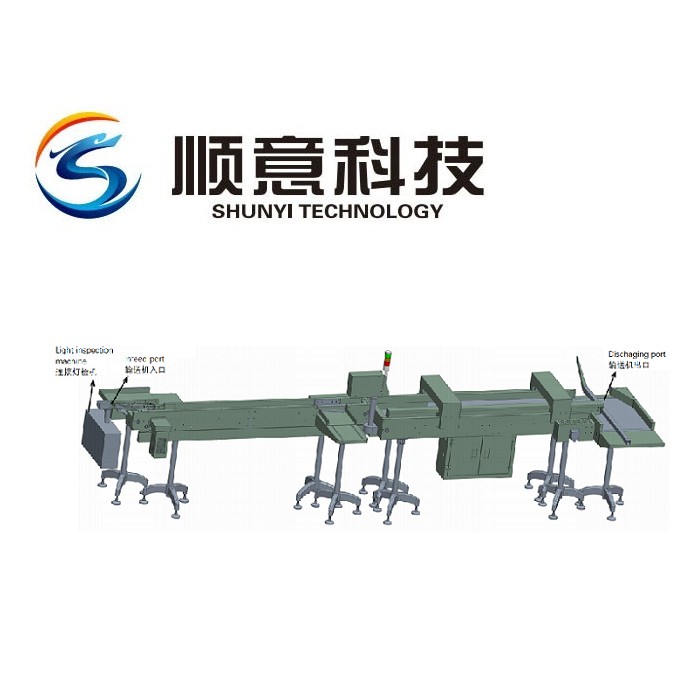

3. Agitation
Agitation can help to improve the cleaning efficacy by increasing the contact between the cleaning agents and the contaminants. Agitation can be achieved by using a brush, a scrubber, or a high-pressure washer. The agitation method should be chosen based on the type of conveyor and the level of contamination.
4. Rinsing
After the cleaning agents have been applied and agitated, the conveyor surface should be thoroughly rinsed with clean water. Rinsing helps to remove the cleaning agents and the contaminants from the conveyor surface. It is important to ensure that all the cleaning agents are removed to prevent any residual contamination.
5. Sanitization or Disinfection
Once the conveyor surface has been rinsed, it can be sanitized or disinfected to reduce the number of microorganisms. The sanitization or disinfection process should be carried out using a suitable sanitizer or disinfectant according to the manufacturer's instructions.
6. Drying
After the sanitization or disinfection process, the conveyor surface should be dried to prevent the growth of microorganisms. Drying can be achieved by using a clean cloth, a fan, or a heater. It is important to ensure that the conveyor surface is completely dry before it is put back into operation.
Conclusion
Choosing the right cleaning agents for a pharmaceutical ampoule conveyor is essential to ensure the cleanliness and hygiene of the conveyor and the integrity of the products. Detergents, sanitizers, and disinfectants are the main types of cleaning agents used in the pharmaceutical industry. When choosing cleaning agents, it is important to consider factors such as compatibility with conveyor materials, cleaning efficacy, safety, and regulatory compliance. Following a proper cleaning process is also important to ensure the effectiveness of the cleaning.
As a Pharmaceutical Ampoule Conveyor supplier, we are committed to providing our customers with high-quality conveyors and comprehensive solutions for cleaning and maintenance. If you have any questions or need further information about the cleaning agents suitable for your pharmaceutical ampoule conveyor, please do not hesitate to contact us. We look forward to discussing your specific requirements and helping you find the best solutions for your pharmaceutical manufacturing needs.
References
- Pharmaceutical Engineering: A Guide for the Design, Operation, and Validation of Pharmaceutical Manufacturing Facilities.
- Cleaning and Sanitization in the Pharmaceutical Industry: Best Practices and Regulatory Requirements.
- Handbook of Cleaning for Food Processing.