

Hey there! As a supplier of Pharmaceutical Ampoule Conveyor, I've seen my fair share of issues that pop up with these conveyors. In this blog, I'll walk you through how to troubleshoot some of the most common problems you might encounter.
1. Conveyor Belt Slippage
One of the most frequent issues is conveyor belt slippage. You'll notice the belt isn't moving the ampoules as it should, or it might even stop altogether. There are a few reasons this could happen.
First off, check the tension of the belt. Over time, belts can loosen up. If it's too loose, it won't grip the pulleys properly. To fix this, you can usually adjust the tension using the tensioning mechanism on the conveyor. Most of our Pharmaceutical Ampoule Conveyors come with an easy - to - use tension adjustment system. Just turn the adjustment bolt until the belt has the right amount of tension. You should be able to press down on the belt slightly, but it shouldn't sag too much.
Another cause could be debris on the belt or pulleys. Ampoule production can generate small particles, and if they get on the belt or pulleys, they can reduce the friction needed for proper movement. Clean the belt and pulleys regularly. You can use a soft brush and a mild cleaning solution to gently remove any dirt or debris. Make sure to let it dry completely before starting the conveyor again.
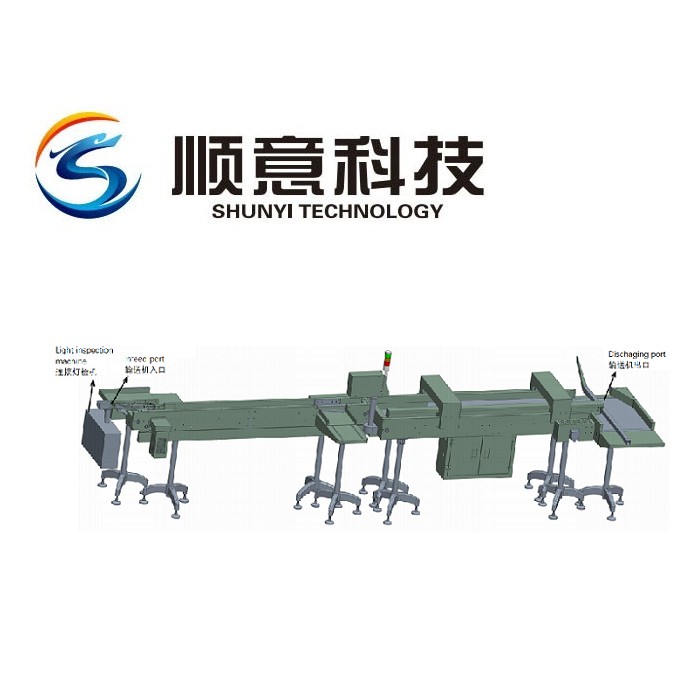

2. Ampoule Jams
Ampoule jams are a real pain in the neck. They can slow down production and even damage the ampoules. The main reason for jams is usually an improper alignment of the ampoules on the conveyor.
Check the guide rails on the conveyor. If they're misaligned, the ampoules can get stuck. You can use a straightedge to check if the guide rails are parallel and at the correct height. Adjust them as needed so that the ampoules can move smoothly along the conveyor.
Sometimes, the spacing between the ampoules is too tight. This can happen if the feeding mechanism is not working correctly. Make sure the feeder is calibrated to release the ampoules at the right intervals. You may need to adjust the settings on the feeder to increase the spacing between the ampoules.
If you're using a Buffer Conveyor in your setup, it can also contribute to jams. Check the buffer conveyor to ensure it's not overloaded. If there are too many ampoules in the buffer, they can pile up and cause a jam. Adjust the speed and capacity settings of the buffer conveyor to prevent this.
3. Motor Problems
The motor is the heart of the conveyor, and if it's not working properly, the whole system will suffer. One common sign of motor problems is unusual noises. If you hear grinding, rattling, or humming sounds coming from the motor, it could indicate a problem.
First, check the motor's power supply. Make sure it's getting the right voltage and that there are no loose connections. A loose wire can cause the motor to malfunction. You can use a multimeter to check the voltage at the motor terminals.
Overheating is another issue. If the motor feels hot to the touch, it could be overloaded or there could be a problem with the cooling system. Check the motor's ventilation. Make sure there are no obstructions blocking the air vents. If the motor is overloaded, you may need to reduce the load on the conveyor by adjusting the speed or the number of ampoules being transported.
4. Sensor Malfunctions
Sensors play a crucial role in the operation of the Pharmaceutical Ampoule Conveyor. They detect the presence of ampoules, control the speed, and ensure proper alignment.
If the sensors aren't working, you may notice that the conveyor isn't starting or stopping as it should. Check the sensor's connections. Sometimes, the wires can come loose, especially if there's a lot of vibration in the production area. Make sure all the connections are secure.
Dirt and debris can also interfere with the sensor's operation. Clean the sensors regularly using a soft, dry cloth. Avoid using any abrasive materials that could damage the sensor.
If cleaning and checking the connections don't solve the problem, the sensor may be faulty. In this case, you'll need to replace it. Make sure to use a compatible sensor for your conveyor model.
5. Noise and Vibration
Excessive noise and vibration can be a sign of several problems. It could be due to loose components, worn - out bearings, or misaligned parts.
Start by inspecting the conveyor for any loose bolts or screws. Tighten them up if needed. Worn - out bearings can also cause noise and vibration. Check the bearings for signs of wear, such as rough surfaces or excessive play. If the bearings are worn, replace them as soon as possible.
Misaligned pulleys or rollers can also contribute to noise and vibration. Use a laser alignment tool to check if the pulleys and rollers are properly aligned. Adjust them as necessary to reduce the noise and vibration.
6. Electrical Issues
Electrical problems can be tricky to diagnose, but they're important to address quickly. Frequent tripping of circuit breakers is a common electrical issue. This could be due to a short circuit in the conveyor's wiring or an overloaded electrical system.
Check the wiring for any signs of damage, such as frayed wires or exposed conductors. If you find any damaged wiring, replace it immediately. Make sure to follow all safety procedures when working with electrical systems.
If the circuit breaker keeps tripping, it could also be because the conveyor is drawing too much current. Check the motor and other electrical components to ensure they're not malfunctioning and drawing excessive power.
Conclusion
Troubleshooting common problems in a Pharmaceutical Ampoule Conveyor doesn't have to be a nightmare. By following these steps, you can quickly identify and fix most issues. Regular maintenance and inspections are key to preventing problems from occurring in the first place.
If you're still having trouble with your conveyor or if you're looking to upgrade to a more reliable Ampoule Bottle Conveyor, don't hesitate to reach out. We're here to help you keep your production running smoothly. Whether you need technical support, replacement parts, or advice on choosing the right conveyor for your needs, we've got you covered.
References
- Pharmaceutical Equipment Maintenance Handbook
- Conveyor System Troubleshooting Guides