

Hey there! I'm a supplier of Buffer Conveyors, and today I wanna chat about how to maintain the braking system of a buffer conveyor. It's super important because a well - maintained braking system ensures the conveyor runs smoothly and safely, which is crucial for any production line.
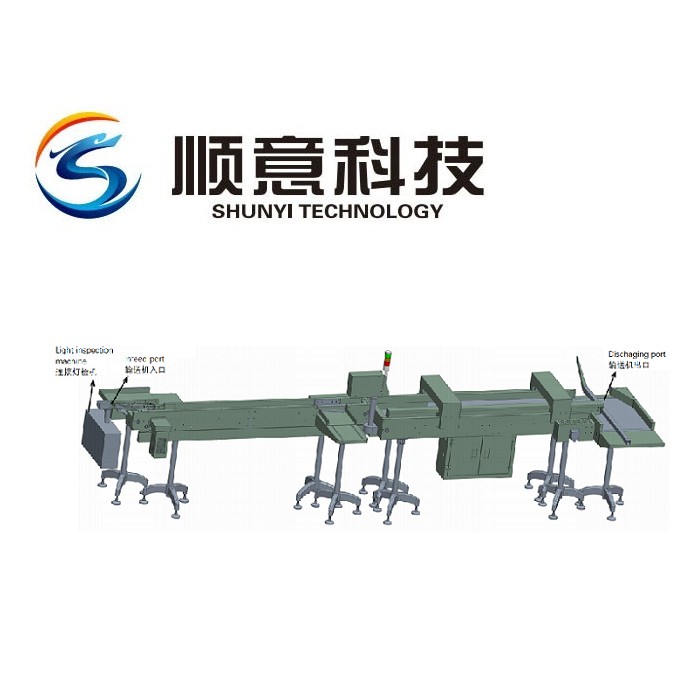
First off, let's understand why the braking system in a buffer conveyor is so vital. A buffer conveyor, like the one you can check out here, is used in various industries, especially in the pharmaceutical sector, where precision and safety are top priorities. The braking system is responsible for stopping the conveyor at the right time, preventing over - movement, and protecting the products being transported. For example, in a Pharmaceutical Ampoule Conveyor, if the braking system fails, it could lead to ampoules crashing into each other, causing damage and waste.
Now, let's get into the nitty - gritty of maintaining the braking system.
Regular Inspections
One of the most basic yet essential steps is regular inspections. You should visually inspect the braking components at least once a week. Look for any signs of wear and tear, like cracks in the brake pads or loose connections in the wiring if it's an electrically - operated brake. Check the brake linings; if they're worn down to less than a quarter of their original thickness, it's time to replace them. A worn - out brake lining won't provide enough friction to stop the conveyor effectively, which can be a major safety hazard.
Cleaning
The braking system can accumulate dirt, dust, and debris over time. This buildup can interfere with the brake's performance. So, clean the braking components regularly. Use a clean, dry cloth to wipe down the brake pads, drums, and any other visible parts. If there's stubborn dirt, you can use a mild cleaning agent, but make sure to dry the parts thoroughly afterward. For example, in an Ampoule Bottle Conveyor, where cleanliness is of utmost importance, keeping the braking system clean is non - negotiable.
Lubrication
Some parts of the braking system may require lubrication. However, be careful not to over - lubricate. Over - lubrication can cause the brake pads to slip, reducing their effectiveness. Check the manufacturer's guidelines to see which parts need lubrication and what type of lubricant to use. Usually, pivot points and moving parts may need a light coating of lubricant.

Tightening Loose Parts
Vibrations from the conveyor's operation can cause bolts and nuts in the braking system to loosen over time. Periodically check and tighten all the fasteners. A loose part can lead to misalignment of the brake components, which can cause uneven braking and premature wear.
Testing the Braking System
Don't just rely on visual inspections. Test the braking system regularly. Run the conveyor and then activate the brakes to see if it stops within the expected distance. If the conveyor takes longer than usual to stop, there might be an issue with the braking system. You can also check the brake's responsiveness by applying the brakes multiple times in quick succession. If there's a delay or inconsistent performance, it's a sign that something needs attention.
Electrical Checks (if applicable)
If your buffer conveyor has an electrically - operated braking system, you need to perform electrical checks. Check the wiring for any signs of damage, such as frayed wires or loose connections. Use a multimeter to test the voltage and resistance of the brake solenoids or other electrical components. Make sure the electrical control system is functioning properly. A faulty electrical component can lead to the brake not engaging or disengaging correctly.
Training Your Staff
Your staff who operate the buffer conveyor should be trained on the basics of braking system maintenance. They should know how to perform simple inspections and recognize the signs of a potential problem. Encourage them to report any issues they notice immediately. This way, you can catch problems early and prevent more serious damage.
Keeping Spare Parts on Hand
It's a good idea to keep some essential spare parts for the braking system on hand. This includes brake pads, linings, and any other commonly replaced components. Having spare parts readily available can minimize downtime in case of a brake failure. You can consult with your buffer conveyor supplier to find out which spare parts are most important to stock.
Record - Keeping
Maintain a record of all the maintenance activities you perform on the braking system. This includes inspection dates, replacement of parts, and any issues you've encountered. This record can help you track the performance of the braking system over time and identify any recurring problems. It can also be useful for warranty claims and regulatory compliance.
In conclusion, maintaining the braking system of a buffer conveyor is a continuous process that requires attention to detail and regular upkeep. By following these steps, you can ensure that your buffer conveyor's braking system operates safely and efficiently.
If you're in the market for a high - quality buffer conveyor or need more advice on conveyor maintenance, don't hesitate to reach out. Whether you're looking for a Pharmaceutical Ampoule Conveyor, a Buffer Conveyor, or an Ampoule Bottle Conveyor, we're here to help. Contact us for more information and to start a procurement discussion.
References
- Conveyor Maintenance Handbook - General Industry Publications
- Manufacturer's Manuals for Buffer Conveyors