

Hey there! As a supplier of Buffer Conveyors, I've seen firsthand how important it is to keep these machines clean. A well-maintained buffer conveyor not only runs more efficiently but also has a longer lifespan. In this blog, I'll walk you through the steps on how to clean a buffer conveyor properly.
Why Cleaning Your Buffer Conveyor Matters
Before we dive into the cleaning process, let's talk about why it's so crucial. Buffer conveyors are used in various industries, especially in the pharmaceutical sector. They handle products like ampoules, and any contamination can lead to serious issues. For instance, in a Pharmaceutical Ampoule Conveyor, a dirty conveyor can contaminate the ampoules, which is a big no - no in the highly regulated pharmaceutical industry.
Over time, debris, dust, and even small particles from the products being transported can accumulate on the conveyor. This buildup can cause the conveyor to operate less smoothly, increase wear and tear on the components, and even lead to breakdowns. Regular cleaning helps prevent these problems and ensures that your conveyor is always in top - notch condition.
Pre - Cleaning Preparation
First things first, safety should always be your top priority. Before you start cleaning, make sure the buffer conveyor is turned off and unplugged. This prevents any accidental start - up that could cause injuries.
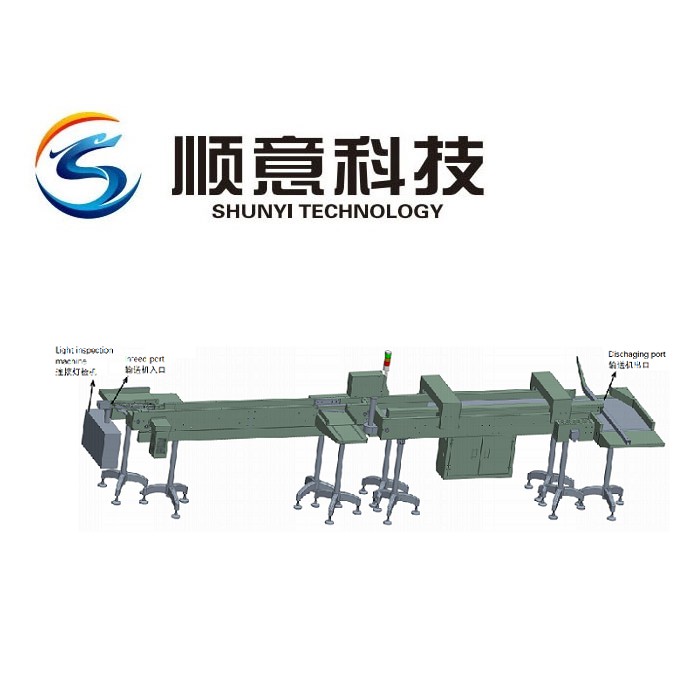

Next, gather all the necessary cleaning supplies. You'll need a soft - bristle brush, a mild detergent, clean rags or towels, and a bucket of warm water. Avoid using harsh chemicals as they can damage the conveyor's surface and components.
Cleaning the Conveyor Belt
The conveyor belt is the heart of the buffer conveyor, so it needs special attention. Start by using the soft - bristle brush to gently remove any loose debris from the belt surface. Work in the direction of the belt's movement to avoid pushing the debris further into the conveyor.
Once you've removed the loose debris, mix the mild detergent with warm water in the bucket. Dip a clean rag or towel into the soapy water and wring it out until it's damp, not soaking wet. Then, wipe down the entire surface of the conveyor belt. Pay close attention to the areas where the products come into contact with the belt, as these are the spots where the most dirt and residue tend to accumulate.
After wiping the belt with the soapy water, use a clean, damp rag to rinse off the detergent. Make sure to remove all traces of the detergent, as any leftover residue can attract more dirt. Finally, use a dry towel to dry the belt thoroughly. A wet belt can cause slipping and affect the conveyor's performance.
Cleaning the Conveyor Frame
The frame of the buffer conveyor also needs to be cleaned. Use the soft - bristle brush to remove any dust and debris from the frame. Pay special attention to the corners and crevices where dirt can easily collect.
Once you've removed the loose debris, follow the same process as you did for the conveyor belt. Dip a rag into the soapy water, wring it out, and wipe down the frame. Rinse the frame with a clean, damp rag and dry it with a towel.
Cleaning the Rollers and Pulleys
The rollers and pulleys are essential components of the buffer conveyor, and they need to be clean to function properly. Use the soft - bristle brush to clean the surfaces of the rollers and pulleys. Make sure to remove any debris that may be stuck between the rollers or around the pulleys.
You can also use a small amount of the soapy water on a rag to gently clean the rollers and pulleys. Just be careful not to get too much water on them, as this can cause rusting. After cleaning, dry the rollers and pulleys thoroughly with a towel.
Lubricating Moving Parts
After cleaning, it's a good idea to lubricate the moving parts of the buffer conveyor. Check the manufacturer's recommendations for the type of lubricant to use. Apply a small amount of lubricant to the bearings, joints, and other moving parts. This helps reduce friction and wear, ensuring that the conveyor operates smoothly.
Post - Cleaning Checks
Once you've completed the cleaning and lubrication process, it's time to do a final check. Plug in the buffer conveyor and turn it on. Observe the conveyor as it runs to make sure it's operating smoothly. Check for any unusual noises, vibrations, or signs of malfunction. If you notice anything out of the ordinary, stop the conveyor immediately and inspect it further.
Maintaining a Regular Cleaning Schedule
To keep your buffer conveyor in the best possible condition, it's important to establish a regular cleaning schedule. The frequency of cleaning depends on how often the conveyor is used and the type of products it transports. For a conveyor that's used frequently in a high - traffic area, cleaning once a week may be necessary. For a conveyor that's used less often, cleaning once a month may be sufficient.
Additional Tips for Ampoule Bottle Conveyors
If you're using a buffer conveyor in an ampoule bottle production line, like an Ampoule Bottle Conveyor, there are a few extra things to keep in mind. Ampoules are very delicate, and any contamination can be a big problem. So, make sure to clean the conveyor more frequently, especially if there are any spills or breakages.
Also, use a disinfectant in addition to the mild detergent during the cleaning process. This helps kill any bacteria or germs that may be present on the conveyor. After cleaning, let the conveyor dry completely before starting it up again to prevent any moisture from getting into the ampoules.
Conclusion
Cleaning a buffer conveyor may seem like a chore, but it's a necessary one if you want your conveyor to last a long time and operate efficiently. By following the steps outlined in this blog, you can keep your buffer conveyor in great shape.
If you're in the market for a new buffer conveyor or need more information about maintenance and cleaning, don't hesitate to reach out. Our team at Buffer Conveyor is always here to help. We can provide you with high - quality conveyors and expert advice to ensure that your production line runs smoothly. Contact us today to start a conversation about your conveyor needs!
References
- General knowledge of conveyor maintenance from years of experience as a buffer conveyor supplier.
- Manufacturer's guidelines for buffer conveyor cleaning and maintenance.