

Hey there! As a supplier of intelligent conveyors, I've seen firsthand how crucial it is to pick the right one for your business. In this blog, I'll share some tips on how to choose the perfect intelligent conveyor for your needs.
Understanding Your Requirements
First things first, you need to understand what you're looking for. What kind of products will the conveyor be handling? Is it small items like pills or larger ones like bottles? The size, weight, and shape of the products are super important. For example, if you're dealing with delicate ampoule bottles, you'll need a conveyor that can handle them gently. You can check out our Ampoule Bottle Conveyor which is specifically designed for this purpose.
Another thing to consider is the production environment. Is it a clean room in a pharmaceutical facility or a more industrial setting? In a pharmaceutical environment, you might need a conveyor that meets strict hygiene standards. Our Pharmaceutical Ampoule Conveyor is made with materials that are easy to clean and sterilize, making it a great choice for such settings.
Think about the speed and throughput you need. How many products do you need to move per minute or hour? If you have a high - volume production line, you'll need a conveyor that can keep up. Some intelligent conveyors can be adjusted to different speeds, which gives you more flexibility.

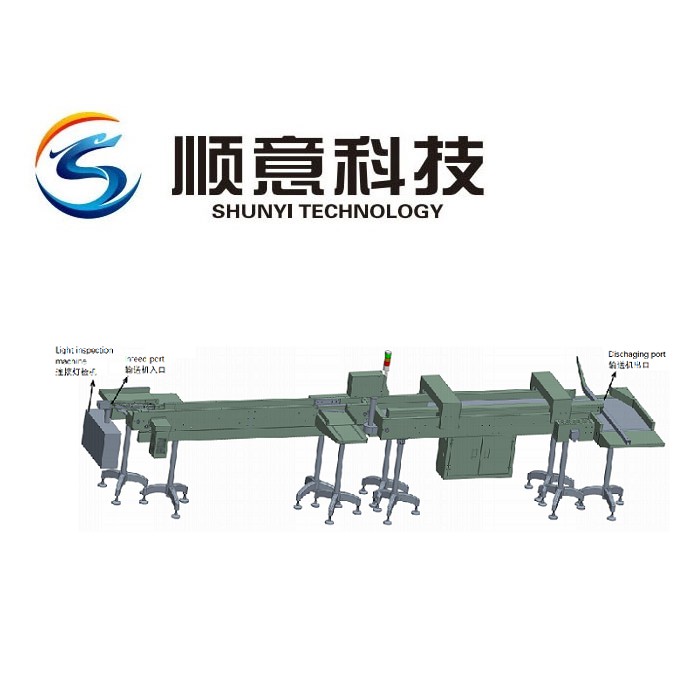
Types of Intelligent Conveyors
There are different types of intelligent conveyors out there, and each has its own advantages.
Belt Conveyors
Belt conveyors are one of the most common types. They're great for moving products of various shapes and sizes. They're relatively easy to install and maintain. You can use them for both horizontal and inclined transportation. However, they might not be the best choice for very small or delicate items as there's a risk of the product getting stuck in the belt joints.
Roller Conveyors
Roller conveyors are ideal for moving heavy or large items. They use rollers to move the products, which makes it easier to transfer items between different parts of the production line. They can be powered or non - powered. Non - powered roller conveyors rely on gravity or manual pushing, while powered ones are more suitable for long - distance or high - speed transportation.
Buffer Conveyors
Buffer conveyors are super useful when you need to store products temporarily. They can help balance the production flow by storing products when the downstream process is busy. Check out our Buffer Conveyor if you think this is something your production line needs.
Technology and Features
When choosing an intelligent conveyor, the technology and features it offers are key.
Automation and Control
Look for conveyors that can be easily integrated into your existing automation system. You want a conveyor that can communicate with other machines on the production line. This allows for seamless operation and better control over the production process. For example, some conveyors can be programmed to start and stop based on the presence or absence of products, or to adjust the speed according to the production demand.
Sensors and Monitoring
Sensors are a great addition to intelligent conveyors. They can detect things like product jams, low product levels, or conveyor malfunctions. This helps prevent downtime and allows for quick troubleshooting. Some conveyors come with built - in monitoring systems that can send alerts to your phone or computer when there's an issue.
Energy Efficiency
In today's world, energy efficiency is a big deal. Look for conveyors that are designed to use less energy. This not only saves you money on your electricity bill but also makes your business more environmentally friendly. Some conveyors use energy - saving motors or have features that reduce power consumption during idle periods.
Cost and Maintenance
Cost is always a factor when making a purchase. But don't just focus on the initial purchase price. Consider the long - term costs, including maintenance and energy consumption.
Purchase Price
The price of an intelligent conveyor can vary widely depending on its type, size, and features. It's important to get quotes from different suppliers and compare them. But remember, the cheapest option might not always be the best in the long run.
Maintenance
Find out what kind of maintenance the conveyor requires. Some conveyors are designed to be low - maintenance, with easy - to - replace parts. This can save you a lot of time and money in the long term. Make sure the supplier offers good after - sales support, including maintenance services and access to spare parts.
Supplier Reputation
The reputation of the supplier is really important. You want to work with a supplier that has a good track record of providing high - quality products and excellent customer service.
Reviews and References
Check online reviews from other customers. You can also ask the supplier for references. Talk to other businesses that have bought conveyors from them and find out about their experience. A reliable supplier will be happy to provide you with this information.
Experience
Look for a supplier that has been in the business for a while. An experienced supplier is more likely to understand your needs and provide you with a suitable solution. They'll also have a better understanding of the industry standards and regulations.
Installation and Support
Once you've chosen the right conveyor, you need to think about installation and support.
Installation
Find out if the supplier offers installation services. Professional installation ensures that the conveyor is set up correctly and works efficiently from the start. Some suppliers also provide training for your staff on how to operate and maintain the conveyor.
Support
Good after - sales support is essential. You want a supplier that can quickly respond to any issues or questions you have. This includes technical support, spare parts availability, and maintenance services.
Making the Decision
After considering all these factors, it's time to make a decision. Make a list of your requirements and compare different conveyors based on the points we've discussed. Don't be afraid to ask the supplier more questions or request a product demonstration.
If you're still not sure which conveyor is right for you, we're here to help. As a supplier of intelligent conveyors, we have a team of experts who can guide you through the selection process. We can analyze your production line and recommend the best conveyor for your specific needs.
If you're interested in learning more or discussing your requirements for an intelligent conveyor, feel free to reach out. We're always happy to have a chat and help you find the perfect solution for your business.
References
- Industry standard guidelines for conveyor systems
- Manufacturer's product specifications and brochures
So, that's it for today's blog. I hope these tips help you choose the right intelligent conveyor for your business. Remember, picking the right conveyor can make a big difference in your production efficiency and overall success.