

Hey there! I'm a supplier of BFS plastic printing machines, and today I wanna chat about how these machines stack up against other plastic printing methods.
Let's first get a bit of background. Blow-Fill-Seal (BFS) technology is a game - changer in the plastic packaging and printing world. It combines three processes - blowing the plastic container, filling it with a product, and sealing it - all in one continuous operation. And when we talk about BFS plastic printing machines, they are designed to print on these BFS - made plastic containers right during or after the formation process.
Now, let's look at some other common plastic printing methods out there.
Screen Printing
Screen printing is one of the oldest and most well - known plastic printing methods. It's a process where ink is forced through a mesh screen onto the plastic surface. The screen has a stencil that blocks the ink from going through in certain areas, creating the desired print pattern.
One of the big advantages of screen printing is its ability to put down a thick layer of ink. This means that the colors are often very vivid and long - lasting. The prints can have a certain tactile quality, too, which some customers really dig.
However, screen printing has its drawbacks compared to BFS plastic printing machines. First off, it's a multi - step process. You've got to prepare the screens, set up the printing press, and then do the actual print run. This takes time and labor. In contrast, BFS plastic printing machines can integrate the printing process seamlessly with the container - making process. It's a much more streamlined operation.
Also, screen printing is not as flexible when it comes to printing on irregularly shaped objects. Since it relies on a flat screen, curved or oddly - shaped BFS containers can be a real challenge. Our BFS plastic printing machines, on the other hand, are designed to handle a variety of container shapes with ease. You can check out our BFS Bottle Pharmaceutical Printing Machine which is great for printing on different bottle shapes used in the pharmaceutical industry.
Pad Printing
Pad printing is another popular method for printing on plastics. It uses a silicone pad to transfer ink from a printing plate to the plastic surface. This method is great for printing on small, detailed areas and can be used on a variety of shapes, including curved surfaces.
Pad printing is known for its precision. You can get really fine details in the print, which is useful for things like logos or small text. But it also has limitations. The ink used in pad printing may not adhere as well to some plastic materials as the ink used in BFS plastic printing. This can lead to issues with durability, especially if the printed containers are going to be exposed to harsh conditions.
BFS plastic printing machines use inks that are specifically formulated to bond well with the BFS plastic. This ensures that the prints are not only clear but also long - lasting. And because the printing is done in - line with the container production, there's less risk of damage to the print during handling. If you're interested in printing on plastic injection bottles, our Plastic Injection Bottle Printing Machine offers a great solution.
Digital Printing
Digital printing has become increasingly popular in recent years. It allows for high - resolution prints and can be easily customized. You can print different designs on each container without the need for expensive setup changes.
The speed of digital printing is also a plus. You can start a print run quickly, which is great for short - run jobs. But digital printing can be more expensive per unit, especially for large - scale production.
BFS plastic printing machines are more cost - effective for high - volume production. Once the machine is set up, it can print a large number of containers at a relatively low cost per unit. And while digital printing may struggle with printing on some types of BFS plastics due to ink adhesion issues, our BFS plastic printing machines are optimized for these materials. For example, our BFS Eye Drop Bottle Printing Machine is perfect for printing on the small, specialized eye drop bottles.
Advantages of BFS Plastic Printing Machines
One of the biggest advantages of BFS plastic printing machines is the integration with the container production process. This reduces the risk of contamination. Since the printing is done right after or during the container formation, there's less chance of dust or other contaminants getting on the container before printing. This is crucial in industries like pharmaceuticals and food packaging.
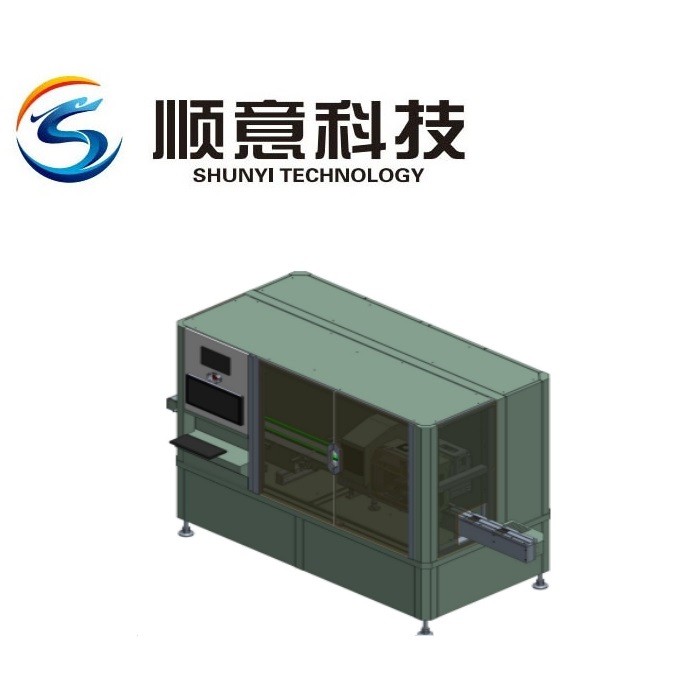
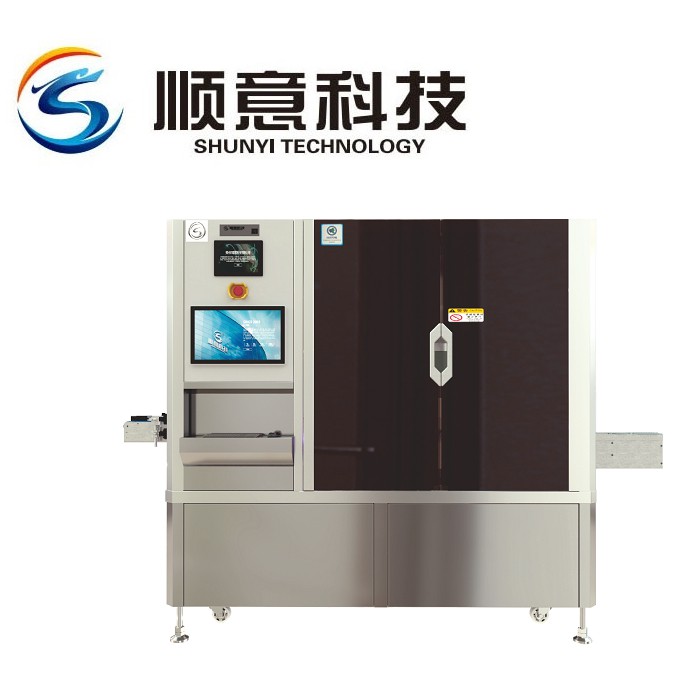
Another advantage is the consistency of the prints. The machines are programmed to print with high precision, ensuring that every container has a clear, accurate print. This is important for brand identity and product information.
BFS plastic printing machines also offer flexibility in terms of ink and print options. You can use a variety of inks, including those that are resistant to water, chemicals, and UV light. And you can print different types of information, such as barcodes, expiration dates, and branding.
Conclusion
In conclusion, while other plastic printing methods like screen printing, pad printing, and digital printing have their own strengths, BFS plastic printing machines offer unique advantages. They are more efficient, cost - effective for high - volume production, and better suited for the specific needs of BFS plastic containers.
If you're in the market for a plastic printing solution and are considering the benefits of BFS technology, I'd love to talk to you. Whether you're in the pharmaceutical, food, or consumer goods industry, our BFS plastic printing machines can offer you a reliable and high - quality printing solution. Reach out to us to discuss your specific requirements and let's find the perfect machine for your business.
References
- Packaging Machinery Manufacturers Institute (PMMI). "Plastic Printing Technologies: An Overview."
- Journal of Plastic Packaging and Printing. "Comparative Analysis of Different Plastic Printing Methods."