

Does a BFS Plastic Printing Machine Need a Ventilation System?
As a supplier of BFS (Blow-Fill-Seal) plastic printing machines, I've been asked numerous times about the necessity of a ventilation system for these machines. In this blog post, I'll delve into the science behind this question and explain why a ventilation system is often a crucial component of a BFS plastic printing setup.
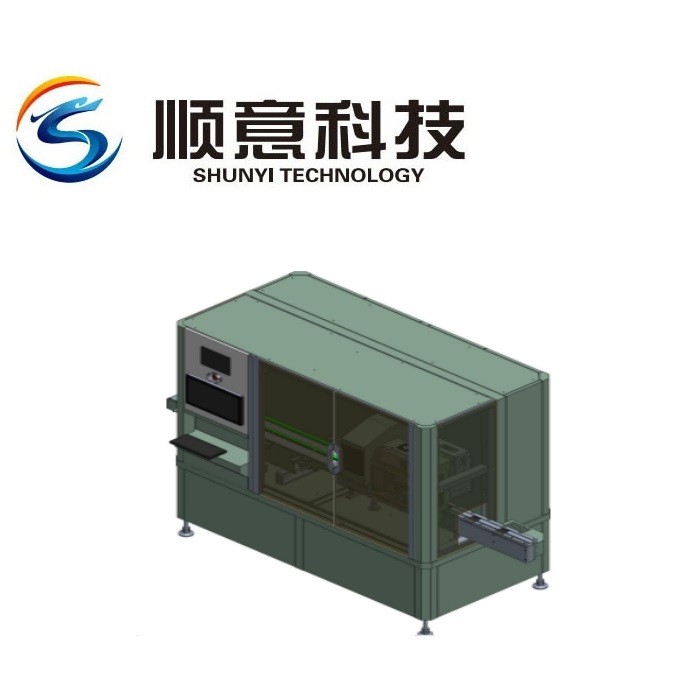

Understanding BFS Plastic Printing Machines
Before we discuss the need for a ventilation system, let's briefly understand what BFS plastic printing machines do. BFS technology is a highly efficient process used in the pharmaceutical and packaging industries. It involves the simultaneous blowing, filling, and sealing of plastic containers in a single, continuous operation. Our BFS Bottle Pharmaceutical Printing Machine and BFS Eye Drop Bottle Printing Machine are designed to print high - quality labels and information directly onto these plastic containers during the BFS process. Similarly, our Plastic Injection Bottle Printing Machine is used for printing on plastic injection - molded bottles.
The Printing Process and Emissions
The printing process in BFS plastic printing machines typically involves the use of inks and solvents. These inks are formulated to adhere well to plastic surfaces and provide clear, long - lasting prints. However, many of the solvents used in these inks are volatile organic compounds (VOCs). When the inks are applied and dry, these VOCs are released into the air.
VOCs can have several negative impacts. Firstly, they can pose a health risk to the operators working around the machine. Prolonged exposure to high levels of VOCs can cause respiratory problems, headaches, dizziness, and in severe cases, long - term health issues such as liver and kidney damage. Secondly, VOCs can contribute to air pollution. They react with nitrogen oxides in the presence of sunlight to form ground - level ozone, a major component of smog.
Importance of a Ventilation System
A ventilation system is essential for removing these harmful VOCs from the work environment. It works by drawing in fresh air and expelling the contaminated air outside. There are two main types of ventilation systems that can be used with BFS plastic printing machines: local exhaust ventilation (LEV) and general ventilation.
Local exhaust ventilation systems are designed to capture the pollutants at the source. In the case of a BFS plastic printing machine, an LEV system would have a hood or enclosure around the printing area. The VOCs are then drawn through a duct system and either filtered or released into the atmosphere in a controlled manner. This type of system is very effective at reducing the concentration of pollutants in the immediate vicinity of the machine.
General ventilation, on the other hand, works by providing a continuous supply of fresh air to the entire work area. It dilutes the concentration of pollutants in the air, making it safer for the operators. However, it is less effective than LEV in removing pollutants directly at the source.
Other Benefits of a Ventilation System
Apart from removing VOCs, a ventilation system can also help in maintaining a stable temperature and humidity in the work area. The printing process in BFS machines can generate heat, and high temperatures can affect the quality of the prints. For example, if the temperature is too high, the ink may dry too quickly, leading to uneven prints or poor adhesion. A ventilation system can help in dissipating this heat and keeping the temperature within an optimal range.
Humidity can also play a role in the printing process. Excessive humidity can cause the ink to smear or not dry properly. A well - designed ventilation system can help in controlling the humidity levels, ensuring consistent print quality.
Regulatory Requirements
In many countries, there are strict regulations regarding the emission of VOCs and the safety of the work environment. For example, the Occupational Safety and Health Administration (OSHA) in the United States has set limits on the allowable concentration of VOCs in the workplace. Failure to comply with these regulations can result in hefty fines and legal consequences. By installing a ventilation system, companies can ensure that they are meeting these regulatory requirements and providing a safe working environment for their employees.
Considerations When Choosing a Ventilation System
When choosing a ventilation system for a BFS plastic printing machine, several factors need to be considered. The size of the machine and the printing area will determine the capacity of the ventilation system required. The type of inks and solvents used will also affect the choice of the ventilation system. Some inks may require a more advanced filtration system to remove specific pollutants.
The layout of the work area is another important consideration. The ventilation system should be designed in such a way that it does not interfere with the normal operation of the machine or the movement of the operators. Additionally, the cost of installation and maintenance of the ventilation system should also be taken into account.
Conclusion
In conclusion, a ventilation system is an essential component of a BFS plastic printing machine setup. It not only protects the health of the operators and the environment by removing harmful VOCs but also helps in maintaining optimal printing conditions and ensuring compliance with regulatory requirements.
If you are in the market for a BFS plastic printing machine or need advice on the appropriate ventilation system for your existing machine, we are here to help. Our team of experts can provide you with detailed information and customized solutions to meet your specific needs. Contact us to start a discussion about your procurement requirements and let us help you find the best BFS plastic printing solution for your business.
References
- OSHA Guidelines on VOC Emissions in the Workplace
- Air Quality Management in Industrial Settings: A Comprehensive Guide
- Technical Manuals on BFS Plastic Printing Machines