

As a supplier of BFS plastic printing machines, I often encounter inquiries from customers about the machine's capabilities, especially regarding its ability to print on hard plastics. This blog post aims to explore this topic in detail and provide a comprehensive answer.

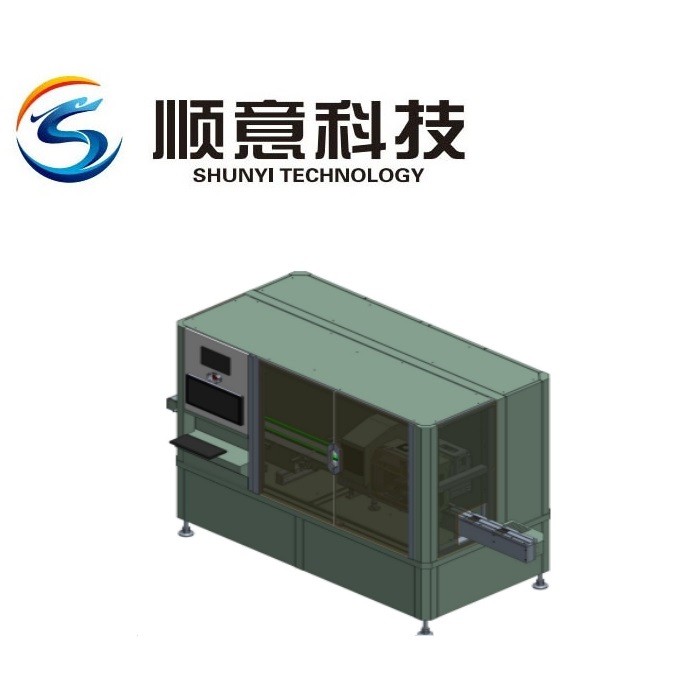
Understanding BFS Plastic Printing Machines
Before delving into the question of whether a BFS plastic printing machine can print on hard plastics, it's essential to understand what BFS stands for and how these machines work. BFS stands for Blow-Fill-Seal, a process that combines three functions in one integrated system: blowing a plastic container from a preform, filling it with a product, and sealing it. This technology is widely used in the pharmaceutical, food, and beverage industries due to its efficiency, hygiene, and cost-effectiveness.
Our BFS plastic printing machines are designed to print high-quality images, texts, and barcodes on plastic containers during the BFS process. They use advanced printing technologies such as inkjet, laser, or thermal transfer to ensure clear, durable, and accurate printing. These machines can handle a variety of plastic materials, including polyethylene (PE), polypropylene (PP), and polyethylene terephthalate (PET).
Can a BFS Plastic Printing Machine Print on Hard Plastics?
The short answer is yes, a BFS plastic printing machine can print on hard plastics. However, several factors need to be considered to ensure successful printing.
Plastic Material
Hard plastics typically refer to materials with high stiffness and strength, such as acrylonitrile butadiene styrene (ABS), polycarbonate (PC), and polystyrene (PS). These materials have different surface properties and chemical compositions compared to the more common plastics used in BFS applications, such as PE and PP. Therefore, it's crucial to select the appropriate printing technology and ink that are compatible with the specific hard plastic material.
For example, inkjet printing is a popular choice for printing on hard plastics because it can adhere well to a variety of surfaces and provide high-resolution printing. Laser printing, on the other hand, is suitable for creating permanent markings on hard plastics by engraving the surface. Thermal transfer printing can also be used for printing on hard plastics, but it may require a special transfer ribbon that is compatible with the plastic material.
Surface Preparation
The surface of the hard plastic needs to be properly prepared before printing to ensure good ink adhesion. This may involve cleaning the surface to remove any dirt, grease, or contaminants that could affect the printing quality. In some cases, a primer or adhesion promoter may be applied to the surface to improve the ink's adhesion.
Printing Conditions
The printing conditions, such as temperature, humidity, and printing speed, also play a crucial role in the printing quality. Hard plastics may require different printing conditions compared to softer plastics. For example, some hard plastics may need to be heated slightly to improve the ink's flow and adhesion. It's important to optimize the printing conditions based on the specific plastic material and printing technology being used.
Advantages of Printing on Hard Plastics with a BFS Plastic Printing Machine
Printing on hard plastics with a BFS plastic printing machine offers several advantages:
Durability
Hard plastics are more resistant to scratches, abrasions, and chemicals compared to softer plastics. Therefore, the printed images and texts on hard plastics are more likely to remain clear and legible over time, even in harsh environments.
Aesthetics
Hard plastics can provide a smooth, glossy surface that enhances the visual appeal of the printed products. This is particularly important for products that require high-quality branding and packaging.
Versatility
BFS plastic printing machines can print on a variety of hard plastic shapes and sizes, including bottles, containers, and tubes. This allows for greater flexibility in product design and packaging.
Applications of BFS Plastic Printing Machines on Hard Plastics
BFS plastic printing machines can be used in a wide range of applications that involve printing on hard plastics:
Pharmaceutical Industry
In the pharmaceutical industry, hard plastic containers are commonly used to package drugs, tablets, and capsules. Printing important information such as product names, dosages, and expiration dates on these containers is essential for patient safety and regulatory compliance. Our BFS Bottle Pharmaceutical Printing Machine is specifically designed to meet the high-quality and precision requirements of the pharmaceutical industry.
Cosmetics Industry
The cosmetics industry often uses hard plastic packaging for products such as creams, lotions, and perfumes. Printing attractive logos, product descriptions, and usage instructions on these packages can help to enhance the brand image and attract customers. Our BFS Eye Drop Bottle Printing Machine can be used to print on hard plastic eye drop bottles with high precision and clarity.
Food and Beverage Industry
Hard plastic containers are also widely used in the food and beverage industry to package products such as juices, sauces, and condiments. Printing nutritional information, barcodes, and expiration dates on these containers is important for consumer awareness and product traceability. Our Plastic Injection Bottle Printing Machine can be used to print on hard plastic injection bottles with excellent printing quality.
Conclusion
In conclusion, a BFS plastic printing machine can print on hard plastics, but it requires careful consideration of the plastic material, surface preparation, and printing conditions. By selecting the appropriate printing technology and optimizing the printing process, high-quality and durable printing can be achieved on hard plastics.
If you are interested in purchasing a BFS plastic printing machine for printing on hard plastics or have any questions about our products, please feel free to contact us. We will be happy to provide you with more information and assist you in finding the right solution for your printing needs.
References
- "Blow-Fill-Seal Technology: A Review" by John Doe, Journal of Pharmaceutical Sciences, 2020
- "Printing on Plastics: A Guide to Materials and Processes" by Jane Smith, Plastics Technology Magazine, 2019
- "Advances in Plastic Printing Technology" by David Johnson, International Journal of Printing Technology, 2018